Chemistry
- Chemistry
Asteroid impacts may have sparked life on Earth
The energy produced by comets and asteroids that collide with Earth may have been strong enough to start life.
- Chemistry
Thirdhand smoke poses lingering danger
The pollutants in cigarette smoke can linger indoors for hours. Indeed, they may pose risks long after any visible smoke is gone.
- Chemistry
Sunlight might have put oxygen in Earth’s early air
High-energy bursts of ultraviolet light can break apart carbon dioxide, yielding oxygen gas. The experiment may mimic what happened on Earth billions of years ago.
- Chemistry
Space cloud may hold clue to life’s origins
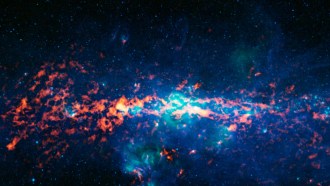
Scientists probing a cloud of dust and gas some 26,000 light-years away found a chemical with a structure resembling molecules critical for all life on Earth.
- Chemistry
New nano-cages snag and hold gases
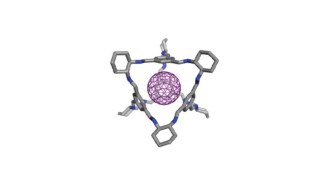
Molecular traps have been developed to snag and hold noble gases, such as krypton, xenon and radon. These atoms tend to resist arrest. But the new traps might grab onto polluting gases so that they can be recycled for later beneficial uses.
- Tech
Invisible plastic ‘ink’ foils counterfeiters
Hidden images make a new label virtually counterfeit-proof, thanks to a combination of chemistry and nanotechnology.
- Chemistry
Chemistry: Green and clean
“Green” means environmentally friendly and sustainable. Green chemistry creates products and processes that are safer and cleaner — from the start.
- Animals
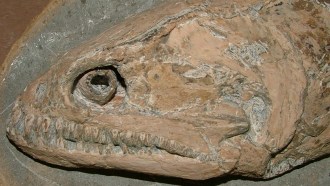
Surprise! Fossils in a flash
By studying how dead tissues decay — or turn to ‘instant’ fossils — scientists are gleaning helpful clues to what ancient life looked like.
- Chemistry
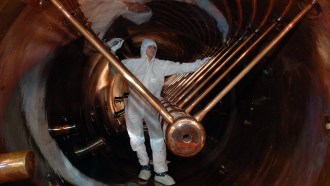
Scientists confirm element 117
Scientists have confirmed the existence of a new, short-lived superheavy element. For now, they’re calling it ununseptium.
- Chemistry
Urine may make Mars travel possible
On Earth, urine is a waste. En route to Mars, it could be a precious renewable commodity: the source of drinking water and energy.
- Environment
Burning to learn
Fires cause billions of dollars of destruction to homes and forests every year. But not all fires are bad, especially for forests. With a better understanding of fire, scientists can both help people prevent dangerous fires — and identify which ones it would be better to let burn.
- Environment
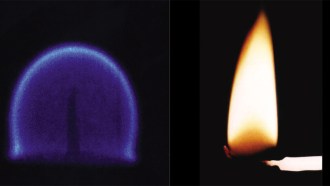
Explainer: How and why fires burn
A fire’s colorful flame results from a chemical reaction known as combustion.