Chemistry
- Chemistry
Scientists Say: Radioactive
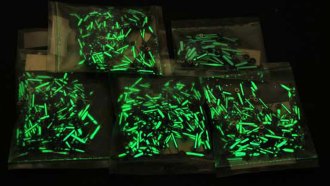
Some atoms have unstable centers. They periodically give off energy. This activity has a special description.
- Chemistry
Some 3-D printing can leave toxic taint
The ”ink” inside some 3-D printers can leave toxic traces. In tests, these chemicals harmed baby fish. But lighting could render the parts safer.
- Chemistry
Scientists Say: Osmosis
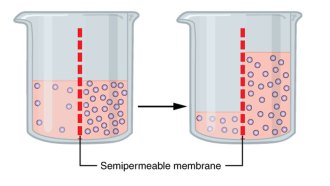
When two solutions are separated by a membrane where only the liquid can cross, the liquid will move from the side with a low concentration of dissolved materials to the side with a higher concentration. This movement has a special name.
- Chemistry
Scientists Say: Dioxide
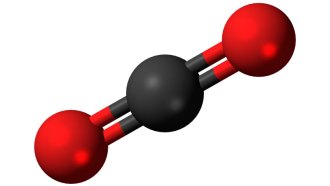
Carbon dioxide, sulfur dioxide and zirconium dioxide all have something in common. They are all molecules with two oxygens bound to some other element.
- Chemistry
Explainer: Temperature and electrical resistance
Higher temperatures mean more energy and more motion. In contrast, cold means slow moving molecules.
- Health & Medicine
Some air pollutants seep through skin
The skin is the body’s largest organ. And it can let in as much or more of certain air pollutants than enter through the lungs, a new study finds.
- Chemistry
Slime cities
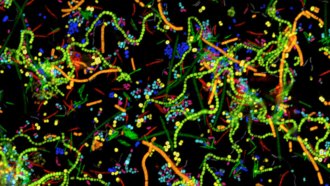
Biofilms are like tiny cities of bacteria — some harmless, others destructive. Scientists are learning how to keep these microscopic metropolises under control.
- Chemistry
Scientists Say: Organic
These days you might think organic refers just to food. But it has a completely different meaning in chemistry.
- Chemistry
News Brief: Rare gem may hold earliest sign of life
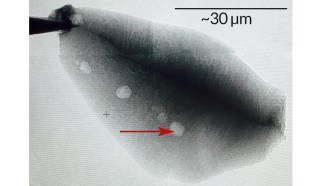
This fossil, such as it is, offers no indication of what that life might have looked like. It merely holds carbon in a form typical of the type preferentially collected by living organisms.
- Chemistry
Mealworms chow down on plastic
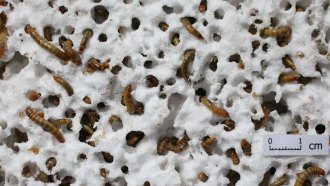
Gut bacteria in mealworms break down polystyrene. Feeding plastic to the worms, or the germs they carry, could be a way to get rid of these wastes.
- Chemistry
Making caffeine content crystal clear
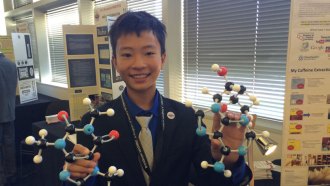
Many popular drinks contain caffeine — a stimulant that in high amounts can keep you up at night. One teen is now measuring just how much is in the beverages we drink.
- Chemistry
These bubbles treat wounds
New research shows bubble-powered drugs can travel upstream, against the flow of blood, to seal wounds shut.