Health & Medicine
The sweet truth about carbohydrates
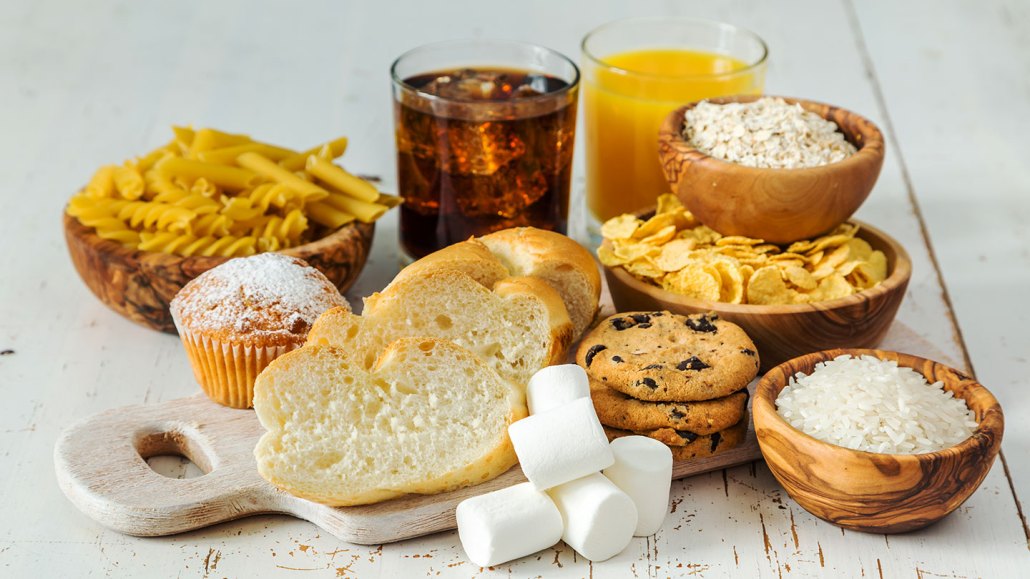
Many carbohydrates are important sources of energy, while others offer little benefit. Learn why not all carbs are the same and how our bodies use them.
These metallic mergers support our tallest buildings and our finest jewelry.
FDA will now allow the use of bemotrizinol in U.S. sunscreens. This long-lasting chemical protects against the solar radiation that ages and damages skin.
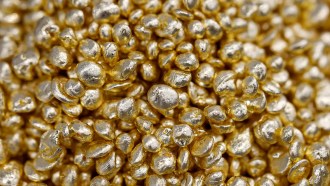
Metals like copper tarnish when they react with oxygen in the air. Gold doesn’t, thanks to a quick rearrangement of atoms on its surface.
This electrically charged form of fluorine boasts powerful tooth-strengthening abilities.
Scientists are testing whether plastic pollution from the ocean can be transformed into safe and durable highways.
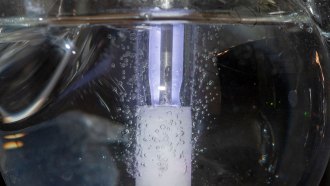
Methanol is used in plastics, paints and as a race car fuel. It’s been hard to make. But engineers have found a simple trick: Add lightning to methane.
Special pockets in these molecular structures make them useful in medicine, climate science and more.
The top three winners each won at least $80,000. Other teen finalists shared in more than $7 million in prizes at this international science fair.
All living things glow with this mysterious light. But scientists need ultra-sensitive tools to detect it.