Climate
- Agriculture
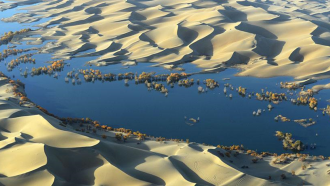
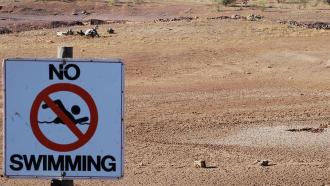
Carbon ‘sponge’ found beneath desert
Watering farmlands in arid parts of the world could have long-term climate benefits, a new study concludes.
- Climate
New El Niño coming on strong
The current El Niño event could be a record breaker, changing weather patterns worldwide and bringing rain to drought-parched California.
- Climate
Scientists Say: Cyclone
These strong storms have different names in different oceans. But all are cyclones.
- Climate
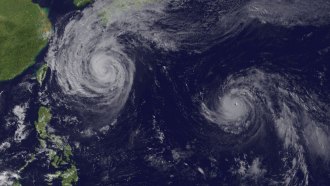
Scientists Say: Hurricane or typhoon?
Sometimes you read about hurricanes, and sometimes about typhoons. The difference? Location, location, location.
- Climate
The heat that keeps on giving
Burning fossil fuels generates heat and carbon dioxide. That pulse of heat is quickly exceeded by the warmth that carbon dioxide traps in Earth’s atmosphere.
- Climate
Pacific hurricanes to strengthen as Earth warms
Global warming is heating up the oceans. That is causing waters to warm. As a result, Pacific storms — called typhoons — will become more destructive.
- Climate
Carbon dioxide levels rise fast and high
The buildup of carbon dioxide in the atmosphere is rising faster than at any time since dinosaurs roamed the Earth. The burning of fossil fuels is largely to blame.
- Climate
Scientists ‘see’ thunder for first time
Scientists have captured the first image of thunder. The map shows the relative strengths of the sound waves emanating from the loud clap.
- Climate
Warming’s role in extreme weather
Extremes in temperature and precipitation will be more common as global temperatures rise. Human-led climate change is largely to blame, a new study finds.
- Climate
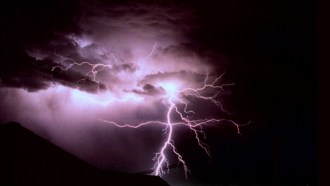
Cosmic rays offer clues about lightning
Space particles called cosmic rays pelt Earth. Scientists are using the rain of these particles to probe how lightning forms.
- Brain
Twisters: Can warning people too early backfire?
If people think they have enough time to flee a tornado, they may try to drive away, information shows. This could leave them stuck in traffic — with no protection — when the storm does show up.
- Climate
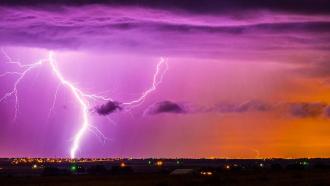
Mornings become electric
Lightning packs a wallop in the morning. The most powerful lightning strikes in the continental United States usually peak before noon.