Earth
- Chemistry
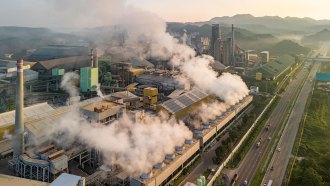
Pollution power? A new device turns carbon dioxide into fuel
Scientists made a device that converts the greenhouse gas into formate. This salt can then run a fuel cell to make electricity.
- Tech
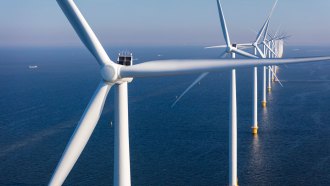
Offshore wind farms could do far more than just make clean power
Offshore wind farms cost more than onshore ones. But their ability to make ‘green’ hydrogen and capture carbon dioxide could help this wind power pay off.
- Life
Has the Endangered Species Act saved species from extinction?
After 50 years, this landmark law has kept many species alive — but few wild populations have recovered enough to come off the “endangered” list.
- Environment
New ultrathin materials can pull climate-warming CO2 from the air
To slow global warming, we’ll need help from CO2-trapping materials. Enter MXenes. They’re strong and reactive — and they love to eat up CO2.
- Ecosystems
Restoring giant underwater forests, one blade at a time
Giant kelp are at risk due to climate change and human activities. In New Zealand, a community effort is rebuilding these underwater algal forests.
- Oceans
Shading corals during midday heat can limit bleaching
Shading coral reefs during the sunniest part of the day may help corals survive marine heat waves.
- Physics
A new tool shows tiny changes in the ’24-hour’ length of a day
An underground instrument known as ‘G’ uses laser beams to measure Earth’s rotation — a gauge of day length — with extreme precision.
- Tech
How green is your online life?
From the manufacturing of our favorite devices to using them for social interactions, our digital lives can have a big climate impact.
- Environment
Pumping cold water into rivers could help fish chill out
Hundreds of salmon, trout and other fish sought shelter from summer heat in the human-made cool zones. These areas may help fish adapt to river warming.
- Tech
Bits of trees can make and store energy for us to use
This cellulose and lignin, two major building blocks of trees, could lead to greener electronics.
- Tech
Bionic plants and electric algae may usher in a greener future
Some can aid the climate by removing pollutants. Others would just avoid dirtying the environment in the first place.
- Climate
Some tree leaves are finding it too hot for photosynthesis
Earth’s ongoing fever threatens to push entire forests toward this heat limit — and possible death.