Earth
- Environment
This ecologist is looking at the Amazon’s past to save its future
Carolina Levis researches how local communities influence the Amazon. She’s interested in how Indigenous knowledge can help protect the rainforest.
- Oceans
Explainer: Why are so many hurricanes strengthening really fast?
This dangerous trend appears relatively new — and growing. Studies also have begun linking it to our warming world.
- Climate
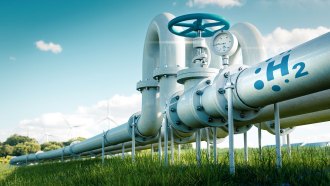
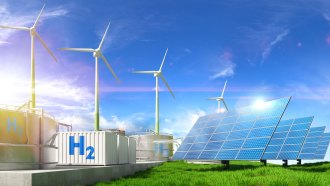
Hydrogen energy could help our climate — depending on its source
Hydrogen energy doesn’t emit greenhouse gases when it’s used. But how it’s produced will affect how useful it can be in slowing climate change.
- Tech
Explainer: The hydrogen rainbow
Hydrogen works the same, regardless of its source. But how clean or “green” it is very much hinges on its color-coded name — which points to how it was made.
- Tech
Engineers cook up a new way to tackle CO2: Make baking soda
Engineers have found a material that can collect carbon dioxide from the air. When later mixed with water, it forms baking soda that can be shed in the sea.
- Materials Science
A new hydrogel could help pull drinking water from the air
The salty gel absorbs more water from the air than similar gels, even in desert climates. This could provide clean water for drinking or farming.
- Earth
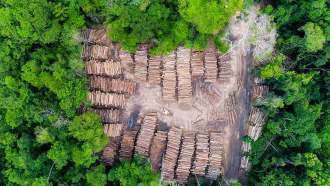
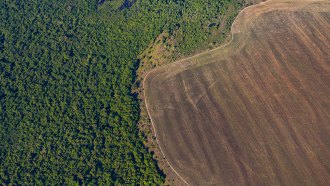
Analyze This: Tropical forests have gotten patchier
Although many of the world's forests have gotten less fragmented since 2000, tropical forests have gotten more chopped up, putting animals at risk.
- Earth
To get diamonds perfect for Barbie, make and break a supercontinent
Most pink diamonds may have formed billions of years ago during the tectonics that led to formation and breakup of Nuna, Earth’s first supercontinent.
- Animals
Adult corals have been frozen and revived for the first time
Living corals could be frozen for safekeeping. Scientists could later revive them to restore reef ecosystems that are withering in warming seas.
- Environment
Ultrasound waves can help remove polluting microplastics in water
The innovative process concentrates microplastics within a flowing liquid. A two-step process then removes the potentially toxic bits.
- Ecosystems
The Amazon is in trouble. Here’s why — and why it matters
Challenges from human-caused climate change, deforestation and degradation leave the fate of this vast forest uncertain.
- Earth
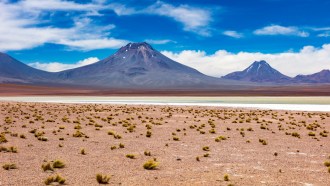
The sun shines brightest in South America’s Atacama Desert
Solar rays in this high-altitude desert at times rival the light intensity on Venus.