Earth
- Environment
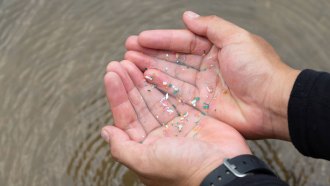
Sea life may suffer as plastic bits alter metals in water
This interplay between plastics and metals could affect how each affects the environment — and suggests opportunities for controlling their risks.
- Climate
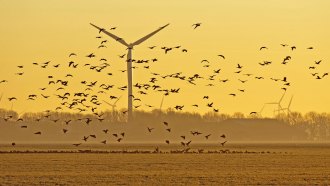
Here’s how to increase clean energy without harming wildlife
Wind farms, solar panels and more take up land and may harm wildlife. Researchers are working to resolve this conflict.
- Agriculture
Native Amazonians make rich soils — and ancient people may have too
Modern Amazonians make nutrient-rich soil from ash, food scraps and burns. The soil strongly resembles ancient “dark earth” found in the region.
- Physics
A powerful laser can control the paths that lightning takes
In a mountaintop experiment, a laser beamed at the sky created a virtual lightning rod that snagged several bolts.
- Earth
Scientists Say: Equinox and Solstice
Equinoxes and solstices mark the maximums, minimums and mediums of hours spent in daylight.
- Climate
Creating less new stuff could greatly help Earth’s climate
Instead of throwing unneeded things away, scientists recommend moving to a cycle of reducing, reusing, repairing and remaking old things into new ones.
- Earth
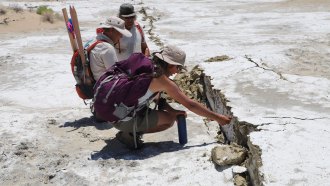
Scientists Say: Seismology
Seismology is the branch of science focused on seismic waves — vibrations that run through or around Earth.
- Environment
Protecting forests may help head off future pandemics
Hungry bats are more likely to shed harmful viruses to people or livestock when they spread out to hunt food. Conserving forests may limit this risk.
- Climate
Eight ways you can cut your carbon footprint
Learn how you can limit the climate-warming gases associated with what you eat, the products you buy and the energy you use.
- Climate
The world is aiming for ‘net zero’ emissions of greenhouse gases
Nations are charting how they might ‘zero’ out their releases of climate-warming gases. Success might greatly lower the risks of climate catastrophes.
- Fossils
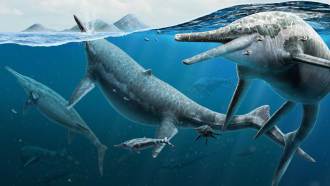
An ancient ichthyosaur graveyard may have been a breeding ground
Some 230 million years ago, huge dolphin-like reptiles appear to have gathered to breed in safe waters, just as many whales do today.
- Environment
Gas stoves can spew lots of pollution, even when they’re turned off
A new study finds they can leak benzene and other harmful chemicals into homes, sometimes at very high levels.