Earth
- Animals
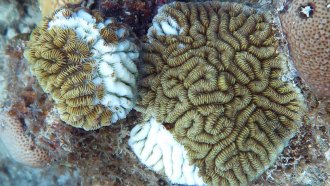
Mystery disease is killing Caribbean corals
Scientists are racing to pin down a new coral disease that’s “annihilating” whole species from Caribbean reefs.
- Earth
Americans consume some 70,000 microplastic particles a year
The average American consumes more than 70,000 microplastic particles a year. Scientists hope this estimate will spur others to look at health risks.
- Agriculture
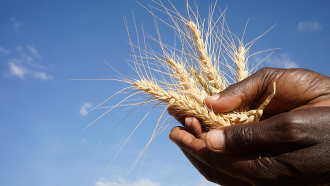
As infections ravage food crops, scientists fight back
Diseases threaten important food crops like cocoa beans, wheat and citrus. Scientists are working to understand these infections — and fight back.
- Climate
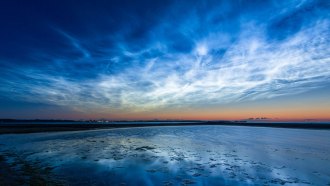
Explainer: Why some clouds glow in the dark
A surprise space rock lit up the night sky over California — and left behind a rare type of cloud. Such glowing beauties may become more common with climate change.
- Climate
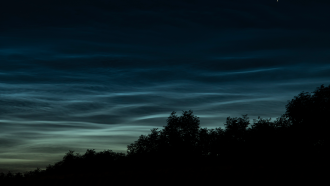
Night-glowing clouds crept south this summer
Clouds typical of polar skies have been showing up over the lower United States. Scientists want to know why.
- Climate
Climate change made 2019 European heat wave worse
An intense heat spell gripped much of Europe in June. A network of climate scientists now reports finding that global warming made the event much more likely.
- Climate
Explainer: What is attribution science?
A relatively new, developing field of science investigates possible links between climate change and extreme weather events.
- Earth
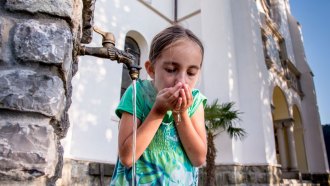
Sunlight can produce energy and clean water at the same time
A new device can make electricity from the sun. What makes it truly special, however: It uses waste heat from the system to turn dirty water or salty water into drinking water.
- Earth
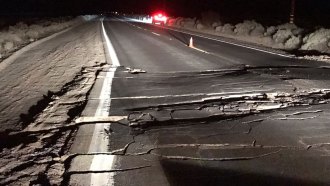
Three things scientists want to know after California’s July earthquakes
Major back-to-back earthquakes struck northern California on July 4 and 5 — but not where geoscientists were expecting them. That’s raised some questions about how things might be changing.
- Earth
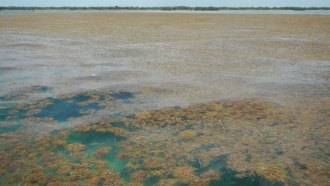
Record seaweed belt spanned from Africa to Gulf of Mexico
Blooms of Sargassum seaweed used to form at the mouth of the Amazon River each year. In 2011, they mushroomed in size to where they now span from South America across to Africa.
- Agriculture
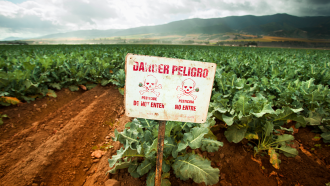
U.S. farmers still use many pesticides that are banned elsewhere
More than one in four of the pesticide used on U.S. farms in 2016 had been banned in other countries.
- Earth
Antibiotics pollute many of the world’s rivers
A survey of 165 rivers finds unsafe levels of antibiotics at one in six sites tested. Such pollution can leave germs resistant (unharmed) by the drugs.