Earth
- Environment
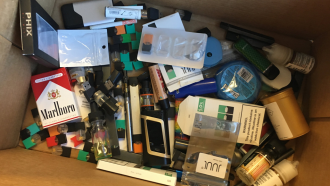
Don’t toss that vape!
Plenty of people talk about potential risks of vaping. But this teen habit also saddles schools with lots of trash — some of it quite toxic.
- Environment
Scientists Say: Nutrient
Nutrients provide living things, from bacteria to animals, with the energy and materials to grow. But too much of a nutrient can sometimes cause harm.
- Climate
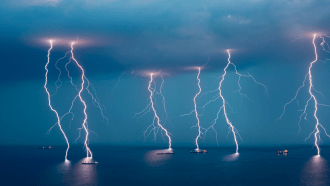
Hotspots found for lightning’s superbolts
A nine-year survey reveals where and when the most energetic lightning strikes — and it’s not what scientists expected.
- Chemistry
Scientists look to hack photosynthesis for a ‘greener’ planet
Photosynthesis turns sunlight into energy for plants. Scientists want to know more about it, imitate it — even improve it.
- Climate
Powerful storms may be causing ‘stormquakes’ offshore
A perfect-storm mixture of hurricane, ocean and seafloor structures can create distinct seismic signals that have now been named ‘stormquakes.’
- Physics
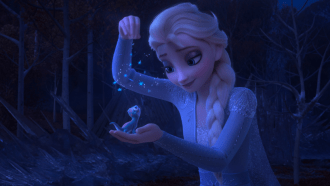
Frozen’s ice queen commands ice and snow — maybe we can too
In the Frozen movies, Elsa magically manipulates snow and ice. But scientists, too, make snowflakes. If they reinforce it, architects can build with ice and snow.
- Climate
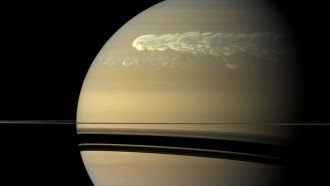
Astronomers spot new type of storm on Saturn
These storms are bigger and longer lasting than squalls but not nearly as massive as this planet's Great White Spots.
- Earth
Sunflower-like rods could boost efficiency of solar collectors
A new material bends to follow the sun. Rods made from it could soak up far more of the sun’s light than ordinary solar collectors.
- Earth
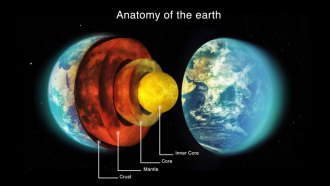
Explainer: Earth — layer by layer
Explore the sizzling heat, unimaginable pressures — and some surprise diamonds — that sit beneath our feet. This is the side of Earth that you can’t see.
- Animals
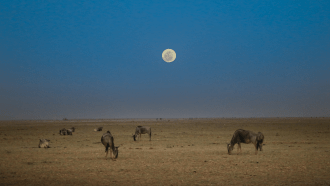
The moon has power over animals
The moon is known for its tidal effects. But its light also can exert a powerful influence on animals large and small.
- Agriculture
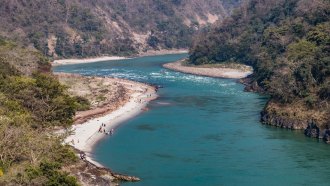
Groundwater pumping is draining rivers and streams worldwide
Excessive groundwater use could push more than half of the regions that depend on water pumped up from underground aquifers past an environmental tipping point by 2050. That could threaten aquatic ecosystems around the world.
- Earth
Earthworms lose weight in soils polluted with microplastics
Bits of plastic pollution in the ground caused earthworms to lose weight. That could hurt the worms’ ability to make soil healthy, and may explain why plants were stunted.