Earth
- Earth
Explainer: CO2 and other greenhouse gases
Carbon dioxide is just one of several chemicals that contribute to the greenhouse effect. Nitrous oxide, methane and CFCs are other big contributors.
- Climate
Analyze This: How hot will it get?
Temperatures are rising because of human-caused climate change. But some places will get hot faster than others.
- Ecosystems
New tools aim to better predict blooms of toxic algae
Scientists across the United States are developing programs that can predict when blooms of toxic algal may occur.
- Climate
Climate change intensified Hurricane Florence, study finds
A new study finds that a warmer climate fattened up Florence. The result: Once it made landfall it would now drop lots more rain and over a broader region.
- Earth
Air pollution is shortening lives worldwide
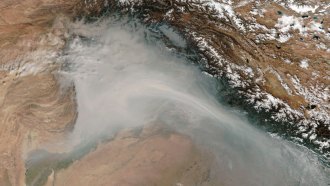
Worldwide, tiny particles of air pollution are making the average person’s life a year shorter.
- Climate
Hawaii’s record 2018 rains may foretell wetter times ahead
Another rainfall record was set in Hawaii. But how does this stack up to other rain records across the United States?
- Chemistry
Rare blue diamonds form deep, deep, deep inside Earth
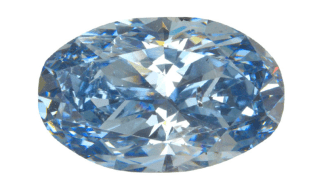
The recipe for rare blue diamonds may include boron, seawater and massive rock collisions.
- Physics
Analyze This: Can you outrun these geological disasters?
There's one geological disaster you probably can outrun, and a few others that are iffy.
- Animals
Nine big stories you may have missed this summer
We hope you enjoyed time off from school this summer. But you may have missed some scientific developments, from mega-eruptions to Martian lakes.
- Climate
Scientists Say: Climate
Climate is the atmospheric conditions that are typical to a general area over a long period of time.
- Agriculture
Tarzan the robot was actually inspired by a sloth
‘Tarzan’ the robot saves energy by swinging. Someday, it could help with farm work by moving along wires strung across fields of crops.
- Earth
A ‘ghost’ gene leaves sea mammals vulnerable to some toxic chemicals
Manatees, dolphins and other warm-blooded marine animals can't break down some common pesticides. The newfound reason: Long ago, their genes lost the ability to do so.