Earth
- Climate
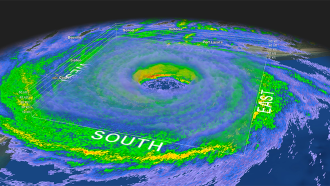
Explainer: The furious eye(wall) of a hurricane or typhoon
The eyewall is the most intense part of a hurricane. Here’s what drives its fury.
- Climate
Hurricane Michael slams into Florida, then speeds north
The 2018 hurricane season just brought Michael, another rapidly strengthening hurricane, to the U.S. coast. This one hit land with surprising power.
- Chemistry
Don’t flush your contact lenses
One in five people who wear contact lenses flush their used eyewear down the sink or toilet. That plastic pollutes the environment and can harm wildlife.
- Earth
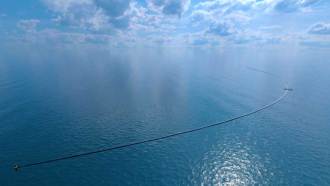
Enormous floating barrier will corral ocean trash
A floating giant barrier has been designed to trap plastic trash in the ocean. But no one’s sure how well it will collect much of the most worrisome type.
- Life
Bacteria are all around us — and that’s okay
Scientists may have identified less than one percent of all bacteria on Earth. But there’s a reason to keep up the hunt. These microbes could help us understand and protect our planet.
- Animals
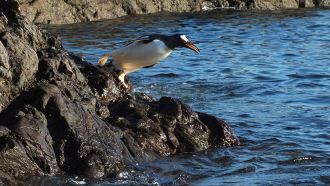
This penguin prey knows how to fight back
Scientists attached cameras to gentoo penguins off the Falkland Islands. The video revealed that their tiny prey can sometimes win in a fight.
- Climate
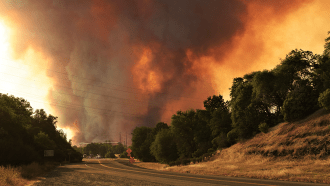
Wilder wildfires? Computing helps predict their path and fury
Math probes how wildfires feed on the air around them to erupt into devastating conflagrations.
- Climate
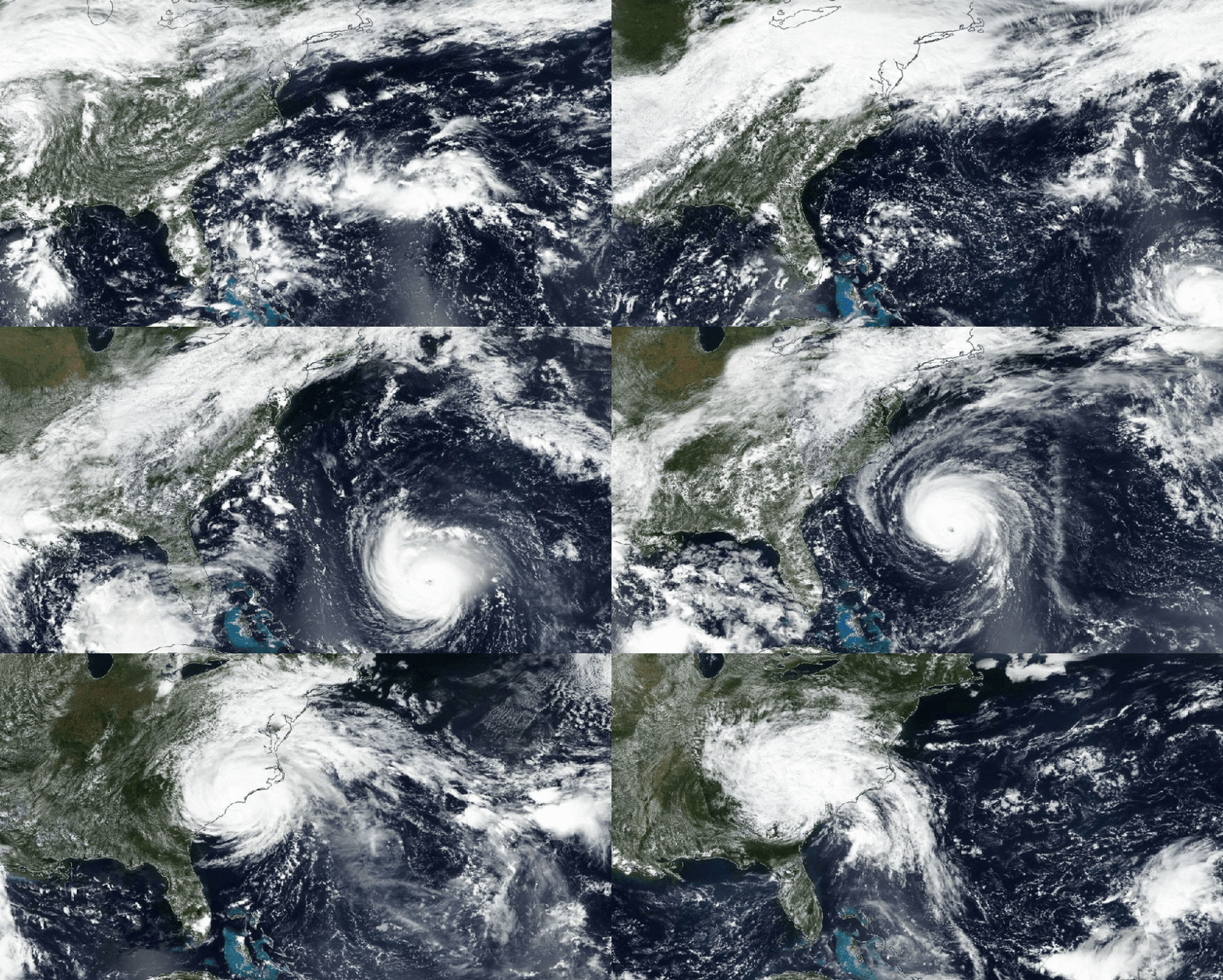
Is Hurricane Florence one sign of new climate trend?
Despite making landfall as a mere Category 1 tempest, Hurricane Florence proved a beast. And there were warnings it would be as it rapidly strengthened at sea.
- Earth
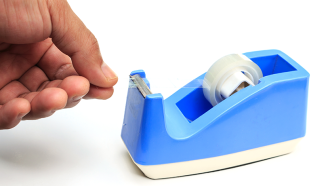
Adhesive from trees could make tape more eco-friendly
The stuff that makes your tape sticky comes from fossil fuels. Now scientists have used tree wastes to engineer a “greener” tape adhesive — one kinder to the environment.
- Climate
Climate change sets people on the move
As their homelands experience uncomfortable changes to weather, many people have begun migrating to places with a better climate.
- Chemistry
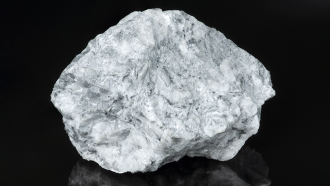
Scientists find an easier way to trap carbon dioxide in rock
Scientists have found a much faster and easier way to trap CO2 in minerals. If they can scale it up, it might one day help to slow climate change.
- Climate
Explainer: Where fossil fuels come from
Despite one oil company famously using an Apatosaurus as its logo, oil, gas and coal don’t come from dinosaurs. They do, however, come from a long time ago.