Environment
- Climate
Satellites find big climate threats — ultra-emitters of methane
Eyes in the sky show many of the worst methane emitters are in countries that produce a lot of oil and gas, such as Russia and the United States.
- Chemistry
New process can transform urban CO2 pollution into a resource
Researchers have developed a liquid metal that breaks down carbon dioxide in the air, converting it from a climate threat into a valuable raw material.
- Ecosystems
More than 9,000 tree species may be waiting to be discovered
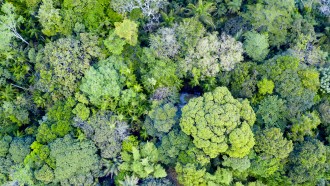
Scientists estimated how many tree species are on Earth, an important step for forest conservation and protecting biodiversity.
- Environment
‘Mining’ cryptocurrencies pollutes the real world
Bitcoin and other cryptocurrencies exist only online. Yet the environmental impacts of their networks affect the real world.
- Environment
How we choose to pay has hidden costs for the planet
Whether cash or credit, phone apps or digital currencies — all forms of payment have behind-the-scenes costs. And these can vary dramatically.
- Animals
Bees and butterflies struggle to find flowers in polluted air
Emissions from cars and trucks make it harder for insects to find flowers. That in turn reduces flower visits and pollination, a new study finds.
- Earth
Widely used pesticides may threaten Earth’s ozone layer
Data show a major class of long-used “eco-friendly” copper chemicals unexpectedly react with soil, making gases harmful to Earth’s protective ozone layer.
- Earth
Scientists Say: Pollution
Pollution is any substance or form of energy released into the environment that is harmful to people or other living creatures.
- Chemistry
Clothes dryers may be a major source of airborne microplastics
Scientists thought washing machines were a leading contributor of microplastics. Now it appears dryers may be an even bigger problem.
- Environment
Explainer: Gravity and microgravity
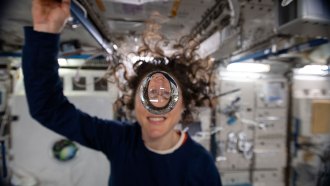
The force of gravity holds us on the ground, keeps planets in orbit and extends throughout space. A very weak gravitational pull is called microgravity.
- Animals
Living mysteries: Why teeny-weeny tardigrades are tough as nails
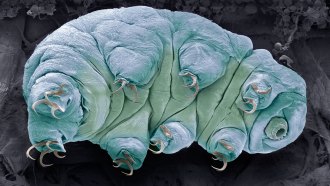
Tardigrades often live in cool, damp moss. Their cushy life has somehow prepared them to survive the lethal radiation of outer space.
- Ecosystems
Recycling a climate-warming gas could make ‘greener’ farmed fish
Instead of warming the climate, methane gas can be collected to help farmers. Along the way, it may also save some fish.