Environment
- Chemistry
This glitter gets its color from plants, not a synthetic plastic
In the new material, tiny arrangements of cellulose reflect light in specific ways to create vibrant hues in an environmentally friendly glitter.
- Chemistry
A new way to make plastics could keep them from littering the seas
Borrowing from genetics, scientists are creating plastics that will degrade. They can even choose how quickly these materials break down.
- Agriculture
The ultimate genealogical search hunts for our earliest ancestors
The complex search to identify humans’ most distant cousins is long, complex and far from straightforward. It’s also far from over.
- Ecosystems
Leaky sewer pipes pollute urban streams and bays with drugs
Scientists find that leaking sewer pipes around Baltimore, Md., spew thousands of doses of medicines into the Chesapeake Bay and other waterways.
- Earth
What can ‘silent earthquakes’ teach us about the next Big One?
Earthquakes usually last seconds. But sometimes, they can last days, or even years. Here’s what scientists are learning about these “slow-slip events.”
- Chemistry
Everyday plastics can pollute, leaching thousands of chemicals
Plastic bags and containers leach potentially toxic chemicals into both food and water, but researchers yet don’t know how they might affect health.
- Agriculture
Potty-trained cows could help reduce pollution
About a dozen calves have been trained to pee in a stall. Toilet training cows on a large scale could cut down on pollution, scientists say.
- Ecosystems
Cheatgrass thrives on the well-lit urban night scene
Middle-grade campers team up with ecologists at Denver University to show that streetlights boost the growth of a reviled invasive species.
- Animals
Will the woolly mammoth return?
Scientists are using genetic engineering and cloning to try to bring back extinct species or save endangered ones. Here’s how and why.
- Animals
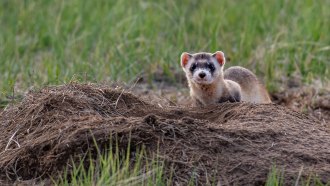
Cloning boosts endangered black-footed ferrets
A cloned ferret named Elizabeth Ann brings genetic diversity to a species that nearly went extinct in the 1980s.
- Chemistry
Scientists Say: Aerosol
Aerosols are tiny bits of solids or drops of liquids suspended in gas. Aerosols include mist, fog and soot, as well as pollution from fossil fuels.
- Environment
Wildfire smoke seeds the air with potentially dangerous microbes
Studies now show that most wildfires don’t kill microbes. That’s fueling worries about what risks these smoke hitchhikers might pose to people.