Oceans
Are major ocean currents moving to turn Earth into a snowball?
A key ocean current that warms Europe is weakening, which could lead to a big chill. Scientists are now discussing how we might avoid that.
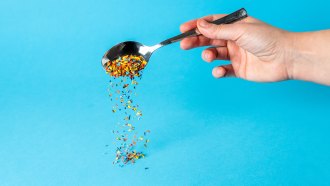
Learn how yeast can be used to remove microplastics from contaminated water with this experiment.
Scientists are testing whether plastic pollution from the ocean can be transformed into safe and durable highways.
Here’s a basic breakdown of the different cloud types, as well as how clouds form and why they float.
Surviving Hurricane Katrina inspired Elliott White Jr.’s scientific journey to studying how humans and climate change impact wetlands.
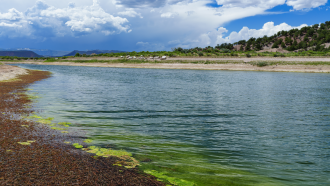
The Netflix series Outer Banks inspired this teen engineer to help clean up algal blooms in a local waterway.
To help restore streams, ecologists and other scientists are taking tips from the rodents — and hoping some beavers also join in.
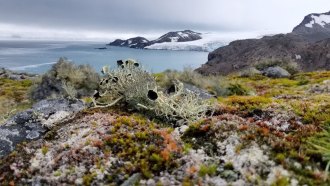
Warming is allowing alien species to invade a land that had been isolated for 30 million years. They now threaten local ecosystems unique to Antarctica.
Wild species exposed to nuclear contamination help show how radiation affects living things — including its risks to people.
Decades of aboveground nuclear weapons tests, starting in the 1950s, lightly littered the planet with toxic fallout, which appears to have sickened some people.