Humans
- Physics
Can you Manu? It’s the science-backed way to max your splash
Forget belly flops and cannonballs. Manu jumps — pioneered by New Zealand’s Māori and Pasifika communities — make the biggest blasts.
- Brain
Mice show us why food poisoning is so hard to forget
Working with mice, scientists have mapped a brain pathway that links an unfamiliar flavor with later food poisoning symptoms.
- Genetics
DNA confirmed a Pueblo tribe’s ties to Chaco Canyon
DNA supports Picuris Pueblo stories of their ancestry going back more than 1,000 years — to the famous Chaco Canyon site.
- Archaeology
Roman gladiators really fought big cats, ancient bite marks suggest
This is the first skeletal evidence of an ancient Roman gladiator show — or execution — involving an exotic animal.
- Life
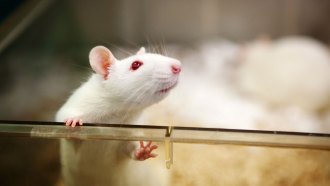
Research without lab animals? New tech is making it possible
For decades, scientists have worked to phase out the use of animals in research. AI, ‘lungs’ on a chip and more are bringing that goal closer.
- Health & Medicine
Three U.S tick species may trigger a mysterious red-meat allergy
This little-known allergy, known as alpha-gal syndrome, is potentially deadly. Here’s what we know about it — and how to avoid the tick bites that seem to cause it.
- Health & Medicine
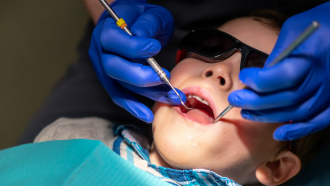
Two cities stopped water fluoridation. Kids’ teeth suffered
As calls to end fluoride in water get louder, worsening dental health in children of Calgary, Canada, and Juneau, Alaska, offer a cautionary tale.
- Brain
Brain cells that make you feel full also make you crave dessert
If you want a sweet treat when you feel full after a big meal, blame your brain. Tests in mice and people suggest that the same cells signal satiety and a hunger for sugar.
- Health & Medicine
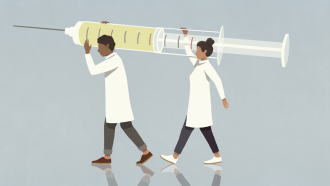
Let’s learn about vaccines
These medical treatments have saved millions of lives and spared many others from seriously unpleasant infections.
- Brain
Parakeets talk using brain areas similar to ours
Brain activity during vocalizing in small parrots — called budgerigars or parakeets — shows a similar pattern to what’s seen in people.
- Materials Science
This electric ‘slime’ might help injuries heal faster
Our bodies call in healing cells with an electrical signal. When stretched or squeezed, this gel makes electricity that could boost that alert.
- Chemistry
A new map of Africa sheds light on the origins of enslaved people
Mapping the element strontium across the continent is helping track down the birthplaces of enslaved Africans brought to the Americas.