Humans
- Health & Medicine
Psychology shines light on the harm racism can do
All forms of racism are harmful. Research sheds new light on the biases behind racism and the many ways it can affect our mental health.
- Health & Medicine
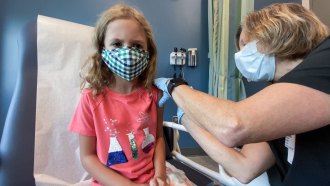
What to know as Pfizer’s COVID-19 vaccine rolls out for kids under 12
After a trial in which no unusual side effects were reported, and approval by the FDA and CDC, kids ages 5 to 11 will be able to receive the COVID-19 vaccine.
- Tech
Did Facebook put Instagram profits ahead of teen safety?
Former employee said Facebook (now Meta) ignored its own research on Instagram risks to teens’ mental health. We look at the issues and what you can do.
- Animals
Let’s learn about the creatures of Halloween
Check out the real-life vampires and zombies of the animal kingdom, and learn why people think ghosts and mummy curses are real.
- Brain
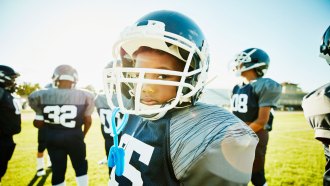
It doesn’t take a concussion for head hits to harm young brains
Most head impacts while playing football do not cause concussions. Yet even lesser impacts take a toll in young athletes, scans of their brains show.
- Health & Medicine
Gender-affirming care improves the mental health of transgender youth
Several states have tried to restrict access to gender-affirming health care for transgender youth. That goes against medical guidelines.
- Tech
Will you learn better from reading on screen or on paper?
Some studies find students don’t learn as well by reading on screens as from paper. But that's not always true. Here’s how to make the most of reading in either format.
- Health & Medicine
A single vape session can harm immune cells in the body
Vaping creates molecules in the body that can attack cells and cause damage.
- Genetics
Explainer: What is RNA?
A partner to DNA, cells use this molecule to translate the instructions for making all of the many proteins that your body needs to function.
- Brain
A 2021 Nobel goes for discovering how our body reads touch sensations
David Julius and Ardem Patapoutian found nerve-cell sensors for temperature, pain and pressure.
- Health & Medicine
Starting schools later leads to less tardiness, fewer ‘zombies’
Students attending schools with later start times feel more awake during the day and are less likely to oversleep and be late for class.
- Health & Medicine
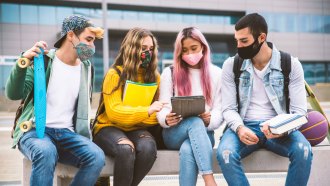
Seven strategies to keep COVID-safe at school
Some schools safely brought students back for in-person learning last year. Their experiences suggest how to avoid classroom spread of COVID-19 this year.