Humans
- Climate
Climate change poses mental health risks to children and teens
Climate change doesn’t just hurt people’s physical health. It’s bad for mental health, too. Children and teens are especially at risk, say experts.
- Climate
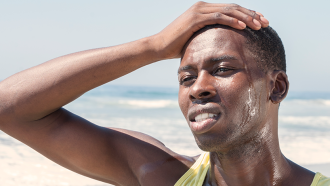
Workers won’t work as well in a very warm world
How well and how much people are able to work will suffer because of heat stress in a warming world. That, in turn, can lead to additional health impacts.
-
- Health & Medicine
Scientists Say: Relapse
This is when a health condition comes back, or gets worse, after a period where it had disappeared or been improving.
- Animals
The smell of fear may make it hard for dogs to track some people
Genes and stress may change someone’s scent, confusing search dogs.
- Brain
Art can make science easier to remember
Students who learn science using art remember what they learned longer than those in regular classes.
- Genetics
Some scientists ask for ban on the gene editing of babies
Scientists and research organizations have just issued calls for a voluntary ban on editing genes that can be inherited by people.
- Health & Medicine
Why sleeping in on the weekend won’t work
A new study found that using weekends to catch up on missed sleep won’t erase health risks due to lost weekday sleep. It may even worsen things.
- Health & Medicine
Vaccines help everyone — even the unvaccinated
Vaccines are safe and save lives. But when people say no to them, there can be big — and even deadly — costs to their families and many others, too.
- Health & Medicine
Why some people think they know more than vaccine experts
New research sheds light on why some people choose myths over science when it comes to vaccines.
- Health & Medicine
Explainer: Vaccines are not linked to autism
Some parents say no to children’s vaccines because they worry immunizations could cause autism. But science has looked again and again and still finds no causal tie.
- Health & Medicine
Teens who play violent video games aren’t any more violent
A careful new study shows that teens who play violent video games are no more aggressive than other teens.