Humans
- Earth
Tiny air pollutants are big, big killers
Air pollution now ranks as the world’s fourth leading cause of death. About 5.5 million deaths in 2013 trace to just one type, called particulates.
- Health & Medicine
New devices coming to assist the disabled
New technologies, including motorized prosthetics and stair-climbing wheelchairs, could someday help people overcome a range of disabilities.
- Brain
Concussed brains need time to heal
Researchers working with mice found that allowing the body to rest after a concussion gave brain cells time to heal and reconnect with each other.
- Health & Medicine
From lime green … to lime purple?
Citrus with health-boosting purple plant pigments don’t usually grow in warmer climates. Genetic engineering could change that.
- Health & Medicine
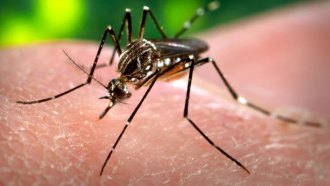
Scientists Say: Zika
Zika virus has burst into the news because it is linked with microcephaly — a condition where babies are born with small heads.
- Brain
Vaping may threaten brain, immunity and more
New studies of e-cigarette vapor in animals and human cells find new risks to gene activity, behavior and male sperm.
- Health & Medicine
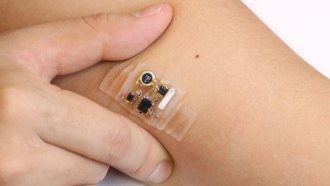
Flexible electronics track sweat
A flexible, wireless health monitor that can wrap around the wrist tracks temperature and analyzes sweat to detect signs of too much water loss.
- Health & Medicine
Teen data find vapers often become smokers
Many view vaping as less harmful than cigarettes. But an increasing number of studies suggest that using e-cigarettes increases the risk a teenager will start to smoke.
- Health & Medicine
To control overeating: Slow down!
Encouraging young people to eat more slowly — and to stop when they’re full — may help prevent obesity, a new study finds.
- Brain
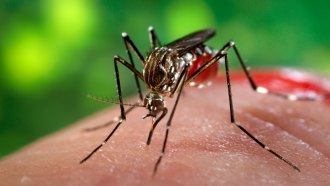
Zika worries go global
The World Health Organization says the devastating birth defects and brain disorders linked to the Zika virus are an international health emergency.
- Health & Medicine
Cool Jobs: Making electronics to wear
Forget tablets and cell phones. These flexible electronic devices stick to the skin and can perform many tasks, from taking your temp to tracking the sun’s tanning rays.
- Health & Medicine
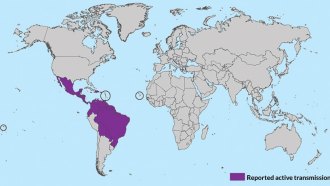
Zika virus raises alarm as it spreads in the Americas
Zika virus has been in Africa and Asia for decades. But is has now spread to the Americas. And it may cause a devastating birth defect.