Humans
- Health & Medicine
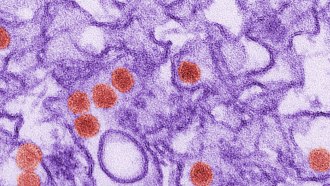
Scientists link Zika to nerve disease
The Zika virus is spreading in the Americas. There has also been an uptick in cases of Guillain-Barré syndrome. Scientists think the two are linked.
- Humans
Slicing meat may have aided human evolution
An experiment with modern-day humans shows how slicing meat could have saved human ancestors energy — and let their bodies and brains get bigger.
- Health & Medicine
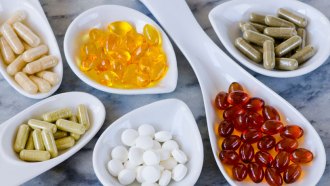
Explainer: Some supplements may not have what it takes
Dietary supplements made from plants may not contain all of the chemicals that usually make a particular plant healthy for humans.
- Health & Medicine
Food supplements can make you sick
Drugs must past safety testing before they can be sold. But food supplements don’t have to meet the same standards.
- Archaeology
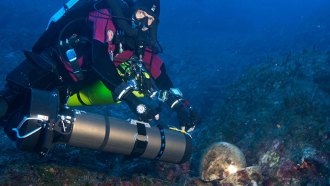
Diving deep into history
New technologies help underwater archaeologists learn more about shipwrecks and other artifacts at the bottom of rivers, lakes and oceans.
- Health & Medicine
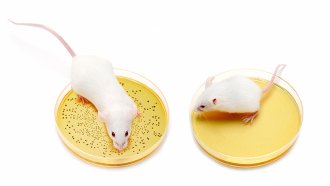
Missing gut bacteria linked to poor nutrition in children
The right mix of microbes in the gut could help prevent — or treat — malnutrition in children.
- Health & Medicine
Teens eating better but gaining weight
From 1999 through 2012, teens got heavier. But by downing less sugar and eating more healthy fats, their bodies also showed signs that these teens were somewhat healthier.
- Health & Medicine
Explainer: What is metabolic syndrome?
A “couch potato” lifestyle of too much sugary, fatty food and too little exercise leads to health problems. This is known as metabolic syndrome.
- Brain
When smartphones go to school
Students who use smartphones and other mobile technology in class may well be driven to distraction. And that can hurt grades, studies show.
- Fossils
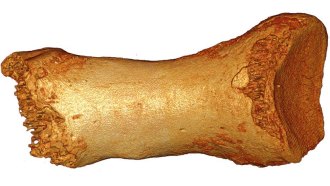
Neandertal toe contains human DNA
DNA from a 50,000-year-old Neandertal woman’s toe bone shows humans left a mark on the ancient species — and much earlier than scientists had thought.
- Health & Medicine
Blood pressure rises as kids become overweight
Researchers find that children and teens who gain too much weight see a near-simultaneous increase in blood pressure.
- Health & Medicine
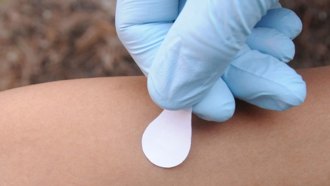
Ouchless measles vaccine could save lives
A new ‘ouchless’ vaccine patch that uses dissolving microneedles could make efforts to vaccinate against measles more practical.