Life
- Fossils
Ancient jaw suggests humans left Africa earlier than thought
A fossil jaw found in a cave in Israel is at least 177,000 years old. The scientists who found it think it shows humans left Africa much earlier than thought.
- Brain
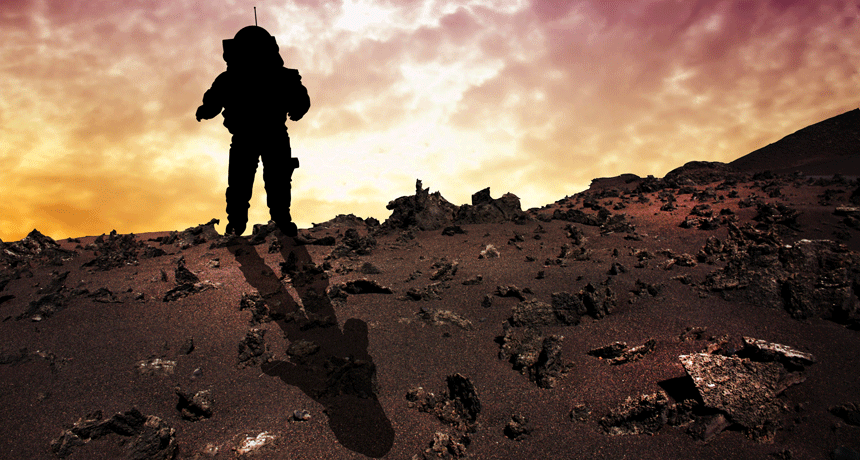
En route to Mars, astronauts may face big health risks
Going into space brings the thrill of a new frontier — and risks that scientists are racing to understand, from radiation to isolation.
- Animals
Yuck! Bedbug poop leaves lingering health risks
Chemical residues left by bedbugs can persist, even when the pests have been eradicated. This may explain lingering allergic symptoms in cleaned up homes, a new study concludes.
- Ecosystems
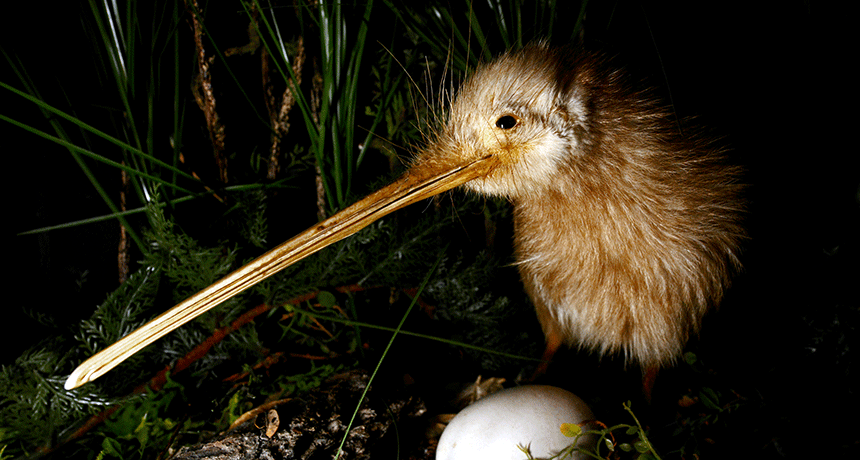
Can DNA editing save endangered species?
Scientists may be able to help endangered species by changing the genes of a whole population of wild animals. But some question whether that is wise.
- Chemistry
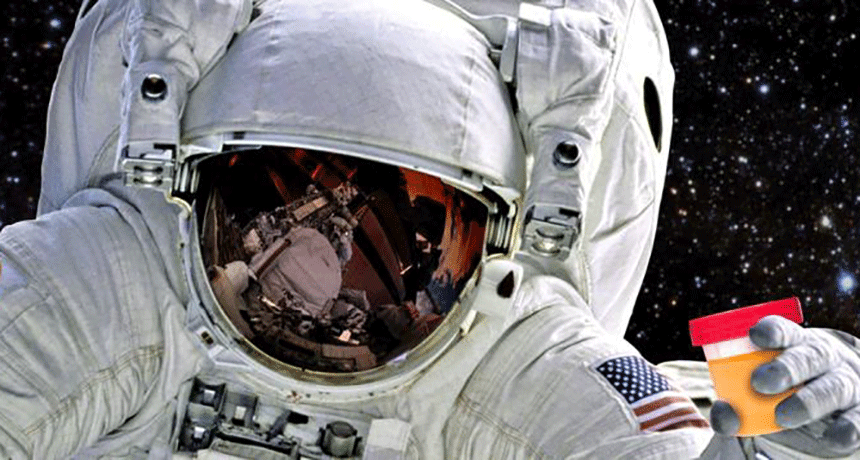
Human waste could power plastic-making in space
Someday recycled urine and exhaled breath could feed specially engineered yeast to make plastics and other useful chemicals on long space missions.
- Health & Medicine
Human cells form the basis of this artificial eye
Real or fake — you be the judge. Human cells were used to create this test bed for studying both the eye and eye-disease therapies.
- Life
Defining a dinosaur is now far harder
New fossil finds are making it difficult to say for certain what makes dinosaurs unique.
- Animals
Fish get pooped living in polluted water
Living in polluted water can tire fish out, a new study finds. This can make it harder for them to find food and avoid being eaten, themselves, by predators.
- Animals
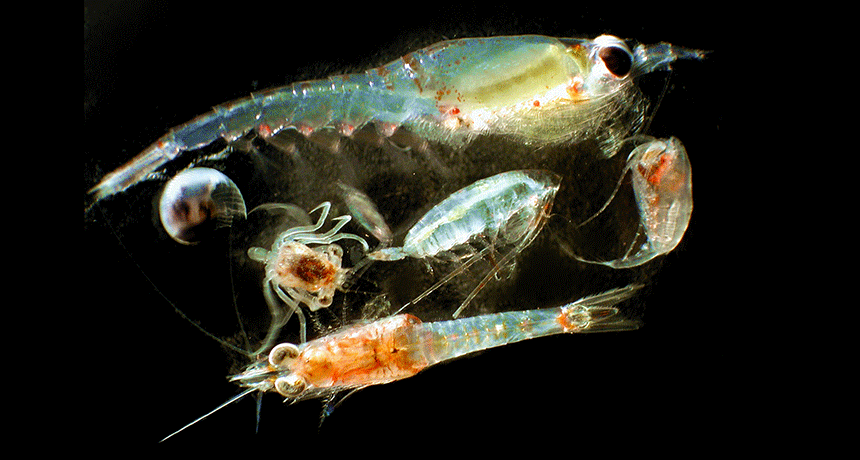
Scientists Say: Zooplankton
These plankton are tiny, but don’t let that fool you. They are predators, too.
- Health & Medicine
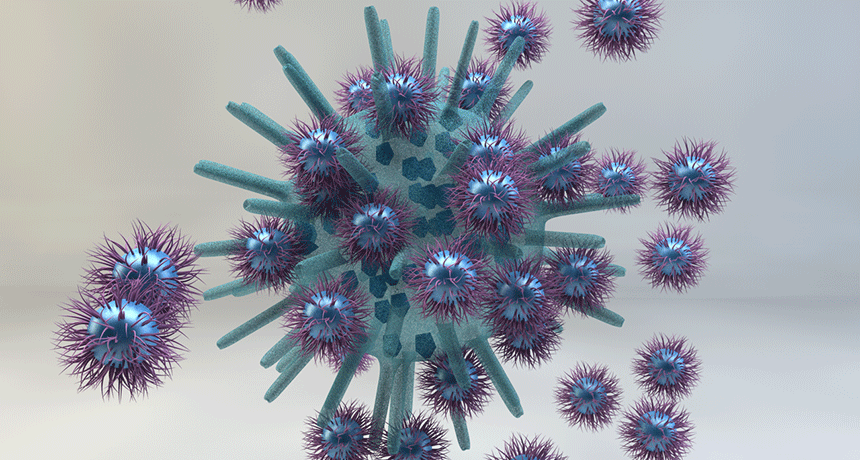
Hairy nanoparticles put viruses in a deadly embrace
Current drugs can’t stop viruses for good. But newly developed hairy nanoparticles just might. They surround and put pressure on the viruses, which ultimately destroys them.
- Microbes
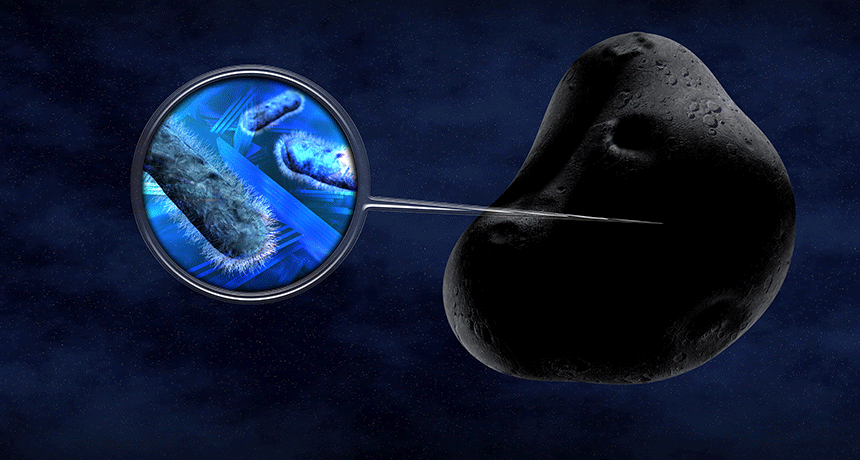
Most Americans would welcome a microbial E.T.
People are more likely to welcome than be scared by new evidence pointing to extraterrestrial life, Americans report — at least if the E.T.’s are tiny.
- Health & Medicine
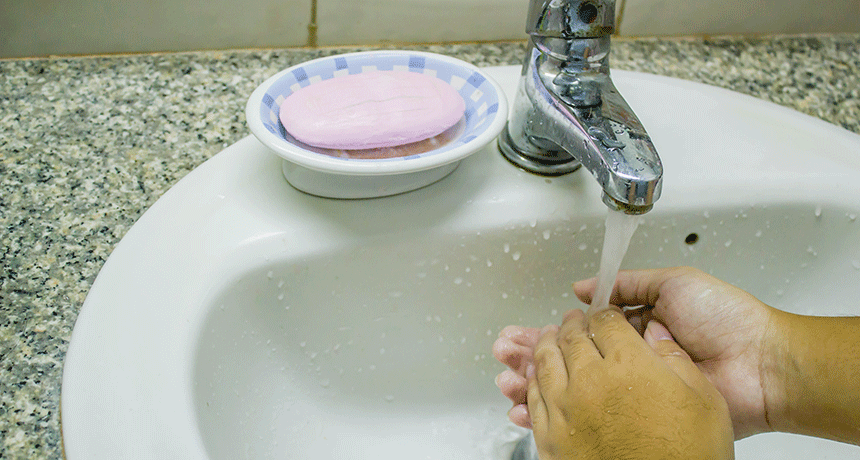
Scientists Say: Triclosan
This chemical is known for its bacteria-killing skills. But its use can also promote the development of dangerous, antibiotic-resistant bacteria.