Life
- Health & Medicine
Explainer: What is a hormone?
Various tissues secrete special chemicals, known as hormones. They travel, usually in blood, to a particular distant site where they tell certain cells it’s time to go to work.
- Brain
Evening screen time can sabotage sleep
Blue light from electronic devices can impair the body’s ability to sleep, making it hard to focus in the morning.
- Animals
Pumpkin toadlets can’t hear themselves talk
Tiny orange frogs make soft chirping sounds in the forests of Brazil. Their ears, however, cannot hear them, a new study finds.
- Animals
Scientists Say: Vampire
Human vampires are found only in fiction. But vampire bats and moths are the real thing. These animals love the taste of blood, and some can’t live without it.
- Chemistry
When bitter + bitter = sweet
Two artificial sweeteners lose their bitter aftertastes when combined together. Scientists have just figured out why.
- Animals
Sucking blood isn’t an easy life, even for vampires
Real vampires include bats, insects and even birds. And they’ve had to develop novel ways of dealing with a diet of blood.
- Health & Medicine
Sweat-slurping ‘aliens’ live on your skin
Archaea are famous for living in extreme environments. Now scientists find they also inhabit skin, where they seem to enjoy sweat.
- Animals
Why are cicadas such clumsy fliers?
Chemical clues in the cicada’s wing may help explain why the bulky insect is a lousy flier.
- Health & Medicine
How bugs in your gut might hijack your emotions
Tiny molecules in the brain may help bugs in the gut hijack people’s emotions. That’s the conclusion of some new research.
- Brain
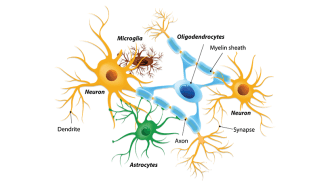
Scientists Say: Glia
Scientists used to think glial cells did nothing more than glue the brain together. Now we know they do much, much more.
- Plants
Cool Job: Rethinking how plants hunt for water
Studies probing the very beginnings of root development may have important implications for growing food in a world where the climate is changing.
- Brain
Could Zika become a cancer treatment?
The same virus that provoked fear over causing birth defects, last year, may have a beneficial alter ego. Scientists find it may kill cells destined to form deadly brain tumors.