Scientists Say: River Piracy
When a stronger river erodes into a weaker one, water goes with the flow
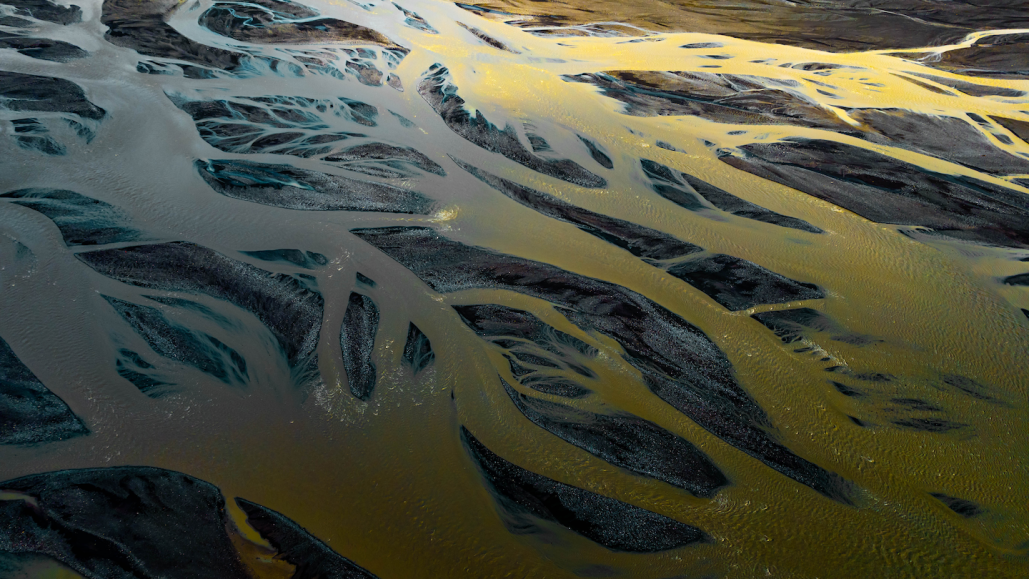
A river system of glacial meltwater braids through the Icelandic terrain. Climate change can lead to rapid changes in meltwater flow, allowing one river to steal another’s source water.
Artur Debat/Getty Images Plus
River Piracy (noun, “RIV-er PY-ruh-see”)
River piracy, or stream capture, is when one river steals water from another.
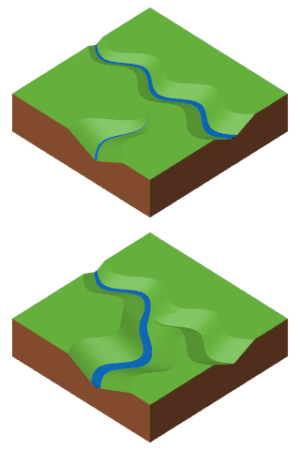
This can happen several different ways. For example, it may happen when two rivers cross paths. The more powerful river can cut into the channel of a weaker one. Water flows down the path of least resistance. So, the stronger river may begin diverting water away from the weaker one. This kind of river piracy is called point capture. There is a specific point where the two river channels meet.
Even when river channels do not connect, a stronger river can still take water from a weaker one. One river may shift into the region that provides water to another river. This region is called a drainage basin. If one river moves into another’s drainage basin, water may begin draining into the new river.
River piracy can be a slow and gradual process. But sometimes, it happens fast. Climate change can rapidly alter a river’s course.
In 2016, glacial melt allowed one river to drain another in a matter of months. This happened in northwestern Canada in the Yukon territory. A glacier once separated two nearby rivers. These were the Slims River and the Kaskawulsh River. But as temperatures have risen with climate change, this glacier has melted and shrunk. The meltwater carved a new stream channel. This new channel diverted water away from the Slims River. It flowed instead into the Kaskawulsh River. This left the Slims River abandoned and changed the ecosystem downstream.
In a sentence
River avulsion is another example of how freshwater channels change over time.