Life
- Brain
When smartphones go to school
Students who use smartphones and other mobile technology in class may well be driven to distraction. And that can hurt grades, studies show.
- Fossils
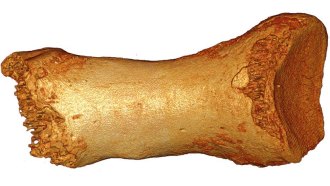
Neandertal toe contains human DNA
DNA from a 50,000-year-old Neandertal woman’s toe bone shows humans left a mark on the ancient species — and much earlier than scientists had thought.
- Animals
Picking a better porch light
Lights can vary in brightness and ‘color’ — even those that are sold as white. A new study tested which lights attracted the most bugs.
- Animals
Roadkill : Learning from the dead
Roadkill can be more than a smooshed-up carcass. Scientists study these highway casualties to learn more about wildlife and their environments.
- Brain
Early intro to sign language has lasting benefits
Children introduced to sign language as babies performed better on mental-processing tasks at age 12 — and as adults — than did people who learned sign language at age 3.
- Brain
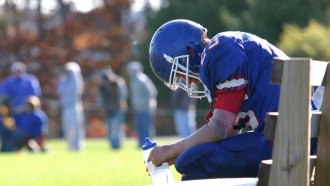
Concussed brains need time to heal
Researchers working with mice found that allowing the body to rest after a concussion gave brain cells time to heal and reconnect with each other.
- Brain
Vaping may threaten brain, immunity and more
New studies of e-cigarette vapor in animals and human cells find new risks to gene activity, behavior and male sperm.
- Animals
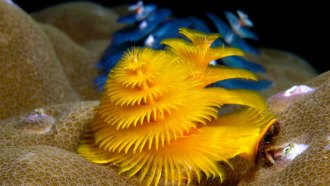
Picture This: Christmas tree worms
The tops of Christmas tree worms look like brightly colored plants. But they are really boneless marine animals with eyes that can breathe and gills that can see.
- Plants
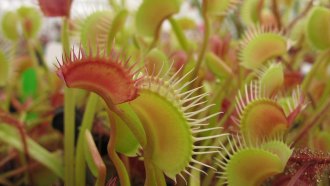
Before eating, Venus flytraps must ‘count’
Researchers find that Venus flytraps respond to the number of times insects touch their sensory hairs. This tells them when it’s time to turn on digestion.
- Animals
Picture This: Plesiosaurs swam like penguins
A computer model suggests plesiosaurs — ancient marine reptiles — swam like penguins, using front flippers for power and back flippers for steering.
- Tech
Powered by poop and pee?
Scientists are developing methods to not only remove human waste from wastewater, but also to harness the energy hidden within it.
- Animals
Bugs that call your house home
A survey of North Carolina homes found hundreds of species of insects, arachnids and other arthropods. Most, though, were harmless.