Life
- Brain
Concussed brains need time to heal
Researchers working with mice found that allowing the body to rest after a concussion gave brain cells time to heal and reconnect with each other.
- Brain
Vaping may threaten brain, immunity and more
New studies of e-cigarette vapor in animals and human cells find new risks to gene activity, behavior and male sperm.
- Animals
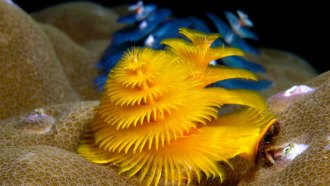
Picture This: Christmas tree worms
The tops of Christmas tree worms look like brightly colored plants. But they are really boneless marine animals with eyes that can breathe and gills that can see.
- Plants
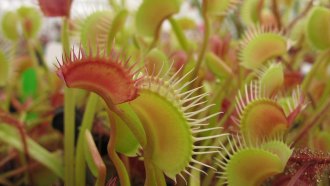
Before eating, Venus flytraps must ‘count’
Researchers find that Venus flytraps respond to the number of times insects touch their sensory hairs. This tells them when it’s time to turn on digestion.
- Animals
Picture This: Plesiosaurs swam like penguins
A computer model suggests plesiosaurs — ancient marine reptiles — swam like penguins, using front flippers for power and back flippers for steering.
- Tech
Powered by poop and pee?
Scientists are developing methods to not only remove human waste from wastewater, but also to harness the energy hidden within it.
- Animals
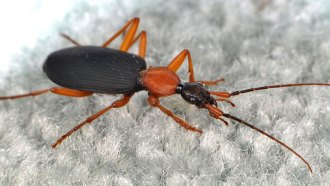
Bugs that call your house home
A survey of North Carolina homes found hundreds of species of insects, arachnids and other arthropods. Most, though, were harmless.
- Brain
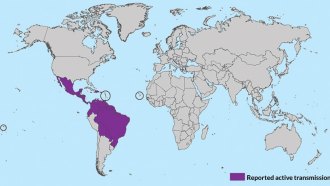
Zika worries go global
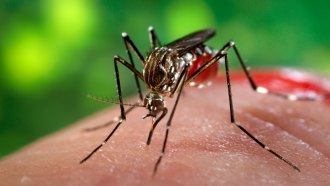
The World Health Organization says the devastating birth defects and brain disorders linked to the Zika virus are an international health emergency.
- Brain
Scientists Say: Amusia
When you can’t carry a tune, you might have amusia, a brain disorder where people can’t tell one note from another.
- Health & Medicine
Zika virus raises alarm as it spreads in the Americas
Zika virus has been in Africa and Asia for decades. But is has now spread to the Americas. And it may cause a devastating birth defect.
- Animals
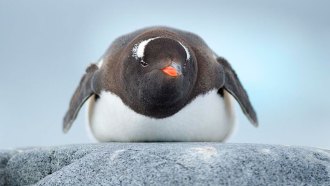
Why some penguin feathers never freeze
Oil and tiny pores prevent the feathers on some penguins from freezing. The discovery could inspire new ways to keep ice off of airplane wings.
- Animals
Using dolphins to find unknown ocean pollutants
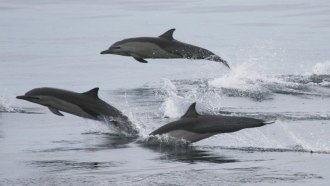
Long-lasting pollutants may threaten marine mammals and human health. To find those pollutants, scientists are sampling blubber, then running the fatty material through new types of tests.