Life
- Ecosystems
This microbe thinks plastic is dinner
The bacterium Ideonella sakaiensis chows down on one type of polluting plastics. That means it could become helpful in cleaning up environmental waste.
- Health & Medicine
Newly discovered microbe keeps teeth healthy
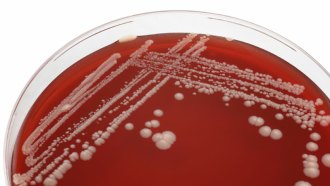
A newfound bacterium halts the tooth erosion that leads to cavities. This germ or one like it might one day be added to toothpaste or mouthwash.
- Chemistry
Gotcha! New test stalks diseases early
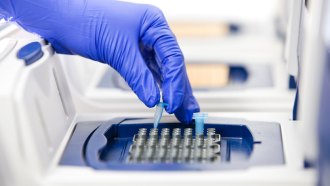
Chemists screen blood for disease markers by adapting a common DNA test. The test can find disease earlier, when it also may be easier to treat.
- Fossils
How to tell if a T. rex is expecting
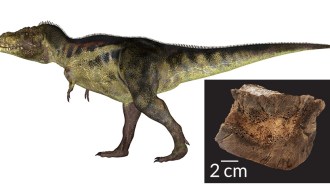
A chemical test of tyrannosaur bone can determine whether the dino was pregnant — and therefore a female.
- Genetics
Pacific islanders got a double dose of Stone Age DNA
Unlike other people, certain Pacific Islanders inherited DNA from two ancient human ‘cousins.’
- Brain
Cool jobs: Brainy ways to battle obesity
Scientists from different fields are tapping into connections between food and the brain to help people fight obesity and overcome the urge to overeat.
- Genetics
Genes: How few needed for life?
Scientists rebuilt a microbe using its old genes. But not all of them. They used as few building-blocks as they could get away with and still have the life-form survive.
- Genetics
Fattier yeast live long and prosper
Scientists were hoping to build better biofuels. Instead they discovered that fatter yeast cells live longer than lean ones.
- Chemistry
Microbes mine treasure from waste
Like miniature factories, bioreactors house microbes recruited to chew through wastes to clean dirty water, make chemicals or generate electricity.
- Animals
Spiders eat insects — and sometimes veggies
Plant-eating spiders have been found on every continent except Antarctica, a new study notes.
- Animals
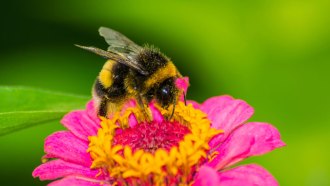
Less brilliant flowers still keep bees coming back
Bumblebees prefer petals that aren’t overly shimmery. This suggests plants are attuned to what insects see.
- Brain
‘Mindfulness’ defuses stress in classrooms and teaching
The science behind mindfulness shows that both teachers and students can benefit from a bit of focused attention.