Life
- Life
Cell recount: People host far fewer germs
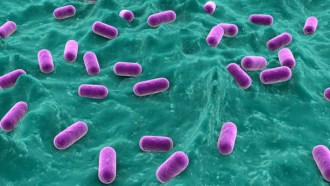
Since the 1970s, microbiologists have been saying bacteria outnumber human cells in our bodies by about 10-to-1. A new analysis says that old number was a “fake” fact — and gross exaggeration.
- Health & Medicine
Explainer: What is skin?
The body’s soft, outer armor contains three layers, each with its own important role to play.
- Health & Medicine
The truth about zits
A common bacterium called P. acnes usually helps keep the skin healthy. But under some conditions, and especially during puberty, it can trigger painful, embarrassing outbreaks of unsightly pimples.
- Genetics
Behavior of genes could identify type of infection
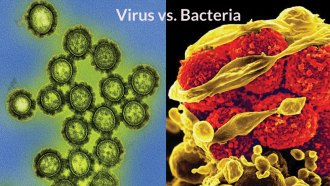
The behavior of hundreds of genes can identify a viral infection, a new study finds. That could help doctors determine treatment for a sick patient.
- Animals
Seals: Catching a ‘corkscrew’ killer
Spiral wounds on dead seals led experts to blame boat propellers. But cameras exposed another source: One seal species was killing another.
- Animals
What a drag! Fishing gear’s effects on whales
Many whales become entangled in the gear that fishing boats use to catch fish and shellfish. Such debris can have dire impacts on the big mammals.
- Health & Medicine
Too many football hits can change the brain
A former football player who died in his mid-20s had serious Alzheimer's-like damage that doctors are now linking to repeated concussions.
- Earth
Bubbles may have sheltered Earth’s early life
For Earth’s earliest inhabitants, a bubble on the beach would have been the next best thing to a safety blanket.
- Genetics
Scientists Say: Mutation
Information in an organism is stored in a code. Here’s the word scientists use to describe a change in that code.
- Animals
Faking out whales
A false “dinner bell” can safely distract hungry whales from stealing fish from commercial fishing lines, new research shows.
- Animals
Do dogs have a sense of self?
Dogs don’t know their own reflections in a mirror, but they do recognize themselves from the scent of their own urine, a new study finds.
- Brain
The most popular stories of 2015
Our readers love to read about health and wellness. Check out which stories were most popular.