Life
- Genetics
Scientists Say: Allele
What makes your eyes green or brown? Different versions of the same gene. We call these alternative forms by a separate name.
- Health & Medicine
Identifying as a different gender
People grappling with gender identity issues (and their families) face difficult choices. As society increasingly accepts transgender youth, more research is needed to understand how better to support them.
- Animals
Climate change shrinks bumblebee’s range
Due to global warming, bumblebees are disappearing from their southernmost homes. But their northern borders are expanding to compensate. This leaves the insects with less territory.
- Microbes
Bacteria help water effortlessly go with the flow
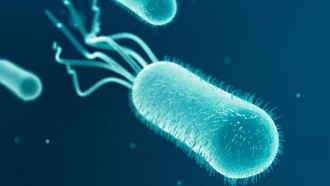
By adding bacteria to water, scientists were able to make a fluid flow with almost no resistance.
- Brain
Soccer: Watch out for collisions!
Scientists discover that concussions among high school soccer players stem more from aggressive contact between players than from heading the ball.
- Health & Medicine
Gender: When the body and brain disagree
Researchers are working to untangle the highly complex relationship between our biology and our identity. In some individuals, a conflict can emerge, leading to a transgender identity.
- Brain
Explainer: Sometimes the body mixes up male and female
Certain medical conditions demonstrate how complicated biology can be. Being genetically male and female will not guarantee that your body won’t sometimes contain one or more features of both.
- Animals
Explainer: Male-female flexibility in animals
Some animals behave as if they were the opposite sex; others can even change their sex — and still produce offspring.
- Brain
Sugar makes mice sleepy
Sugar may amp up sleep-promoting cells in the brain, a new study in mice finds.
- Health & Medicine
Pain relief could come from a ‘drugstore’ for cells
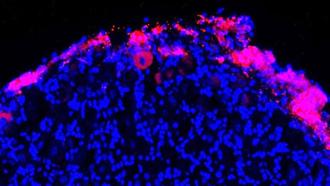
Mice with nerve damage can be treated for pain with an injection of cells from bone marrow. Scientists have now figured out why this works.
- Chemistry
Bacteria become source of ‘greener’ blue jeans
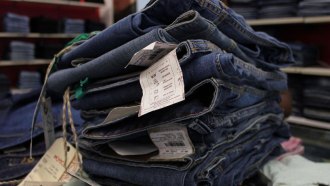
Manufacturing indigo to dye blue jeans now relies on harmful chemicals. But researchers have found a less polluting way to produce the blue tint: bacteria.
- Brain
To protect kids, get the lead out!
Lead poisons hundreds of thousands of children. In Chicago, experts show how the toxic metal hurts test performance in school.