Life
- Chemistry
Secret to rose scent surprises scientists
Scientists discovered the molecular tool that roses use to make fragrance. And it wasn’t what they expected.
- Brain
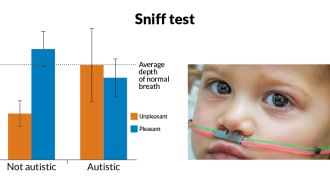
Smell test may detect autism
A new study finds that kids with autism sniff foul scents for as long as pleasing ones. The finding could lead to a test to diagnose the disorder.
- Animals
Why seahorses have square tails
The unique shape of a seahorse tail provides strength, and it may also help the fish to grasp objects.
- Health & Medicine
How this vitamin can foster pimples
Oh no! Vitamin B12 can cause skin bacteria to secrete chemicals that cause zits.
- Animals
DNA in ivory pinpoints elephant poaching hot spots
Thousands of elephants have been killed for their ivory tusks. A new study used DNA in ivory to trace where most of the killings happen.
- Health & Medicine
New ways to fight the flu
Influenza sickens millions each year. A worldwide epidemic could kill many of them. Fortunately, new ways to fight the flu offer hope — before it’s too late.
- Animals
More dinosaur bones yield traces of blood, soft tissue
More dinosaur bones are found to contain residues of blood and soft tissue. The discovery could help point to when dinosaurs turned into warm-blooded creatures.
- Animals
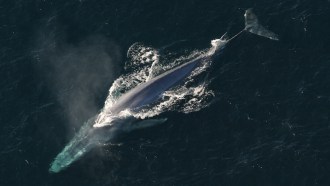
A whale of a journey
The 5,200-kilometer (3,200 mile) journey of Isabela provides a window into the migration patterns of blue whales.
- Fossils
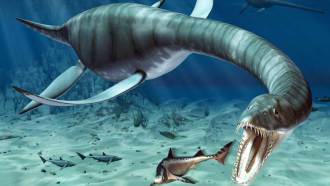
The real sea monsters
No known dinosaurs lived in the oceans. But there were lots of big aquatic reptiles that were every bit as ferocious and awesome.
- Fossils
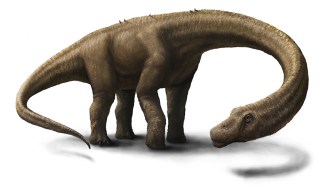
New analysis halves massive dino’s weight
No question about it, Dreadnoughtus schrani was enormous. But a new estimate concludes this dino weighed just half as much as first thought.
- Animals
These spiders can purr
This wolf spider can purr like no other. It makes vibrations and sounds to tell a female he’s interested in her.
- Animals
This endangered species gives new meaning to ‘single mom’
Scientists have found DNA evidence that in the wild, sawfish have produced offspring without mating. That’s a first for an animal with a backbone.