Life
- Chemistry
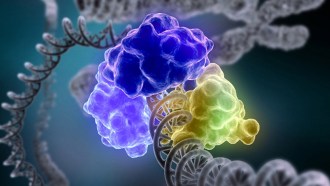
Trio gets chemistry Nobel for figuring out DNA repair
Three researchers have won the 2015 Nobel Prize in chemistry for working out how cells fix damaged genetic material.
- Health & Medicine
Nobel goes for developing drugs from nature
The 2015 Nobel Prize in medicine went to scientists who used nature as the model for important human drugs to combat malaria and serious infections.
- Animals
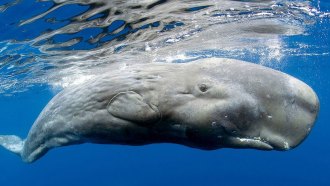
Sperm whales’ clicks suggest the animals have culture
Sperm whales appear to learn the sounds they use to socialize. That suggests they have some form of culture.
- Brain
Stuffy classrooms may lower test scores
New research links fresh air in classrooms to test scores. Elementary-school students in stuffy classrooms, it found, may perform worse on standardized tests.
- Plants
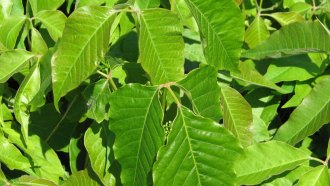
Scientists Say: Urushiol
Poison ivy looks harmless, but its oil, urushiol, is not. This is the plant’s oil that leaves an itchy rash or blisters on your skin.
- Fossils
Fossils: Is this new species a human relative?
Fossils found in an underground cave in South Africa may be from a previously unknown species of the human genus, Homo.
- Earth
Cool Jobs: Finding foods for the future
What's for dinner... tomorrow? Scientists are developing new foods to meet the demands of the growing population in a changing world.
- Agriculture
Weed killers may go from plant to pooch
Dogs love to roll around in the grass. But if there is weed killer around, it could end up on — and in — our furry pals.
- Brain
Parents’ math anxiety can ‘infect’ kids
A study of first- and second- graders found that kids whose parents fear math learn less math at school ¬— but only when parents help with homework.
- Animals
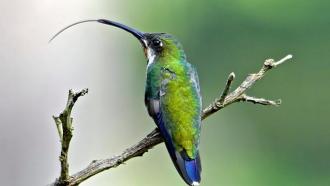
Hummingbird tongues may be tiny pumps
Scientists had thought that hummingbird tongues work through capillary action. A new study, though, concludes they work like little pumps.
- Agriculture
‘Wildlife-free’ farms don’t make salads safer
Scientists find that removing wildlife from farms did not make raw vegetables safer to eat.
- Agriculture
Made in the shade
Agroforestry combines woody plants and agriculture. Growing trees alongside crops and livestock benefits wildlife, environment, climate — and farmers.