Life
- Animals
A nervy strategy for transplants
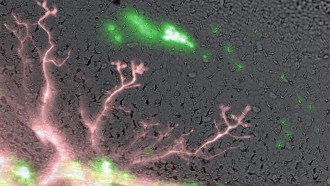
Adjusting the electric charges in cells helped a transplanted eye reach out to its new host. The eye grew cells, which help transmit signals to other cells.
- Earth
Clouds may be dining cars for some germs
Scientists had known microbes could hitchhike across and between continents on clouds. New research now shows that some germs don’t just treat clouds as a high flying jet, but also as a cafeteria.
- Animals
Spidey sense: Eight-legged pollution monitors
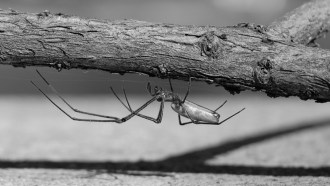
Spiders that prey on aquatic insects can serve as sentinels that naturally monitor banned chemicals that still pollute many rivers across the United States.
- Animals
Virus blamed in starfish die-off
A virus may explains the deaths of millions of starfish along the Pacific Coast of North America. The deaths affect 20 species. Some of the stricken animals appear to melt into puddles of slime.
- Brain
Nano air pollutants strike a blow to the brain
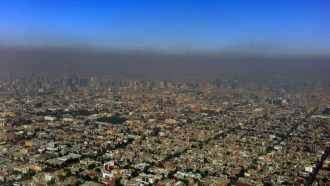
Most people think that air pollution poses the biggest risk to our lungs. In fact, pollution hits the brain too, sometimes by traveling a direct route — through our noses. These tiny pollutants can harm IQ and more.
- Brain
Banned drug reduces brain communication
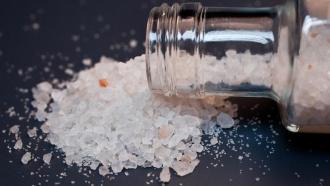
Illegal drugs called “bath salts” can reduce communications among different brain regions. New research, done in rats, may explain the violent and unpredictable behavior seen in some people using these drugs.
- Brain
Scents may affect how appealing tobacco is
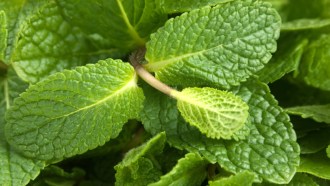
Menthol’s effects on the brain may make tobacco more addicting. In contrast, foul odors might help smokers quit. Two new studies show how.
- Fossils
Dinos: Some were ‘marathoners’
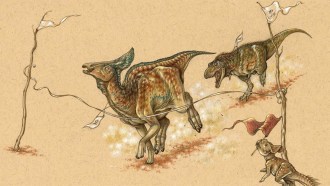
The arrangement of major muscles in a duck-billed dinosaur’s legs would have helped them outrun predators such as T. rex, a new analysis suggests.
- Animals
Tar pit clues provide ice age news
New analyses of insects and mammals trapped in the La Brea Tar Pits point to climate surprises during the last ice age.
- Animals
Tiny — but mighty — food-cleanup crews
Discarded food wastes can turn city spaces into food courts for disease-carrying rats and pigeons. But a new study shows tiny cleanup crews — especially pavement ants — are doing their best to eliminate such wastes. This, in turn, makes cities less attractive to bigger pests.
- Animals
Climate change brings new neighborhood birds
Climate change has made winters a little bit warmer. Many bird species are now wintering a lot farther north than they did a few decades ago, a new study finds.
- Brain
Magnets may make helmets safer
Magnets in sports helmets could repel players’ heads as they move toward a collision. This should reduce the risk of the hard hits that lead to concussions.