Life
- Earth
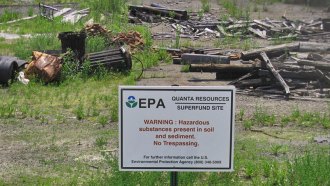
Cleaning with greens
Cleaning up toxic waste is a big and expensive problem. Scientists have tinkered with the genes in some plants. Now those greens can take on this dirty work. Still, they're not quite ready for prime time.
- Animals
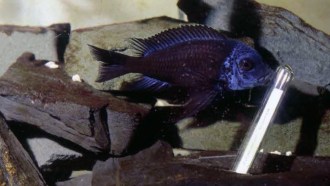
Fish just wanna have fun
Although biologists have observed fish playing before, scientists have now recorded hours of video showing a new type of antic in fish.
- Fossils
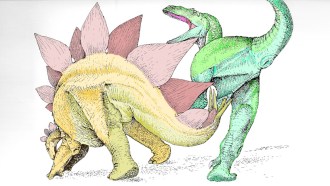
Spiked tail to the rescue!
A stegosaur’s bony ‘armor’ didn’t just fend off a predator’s teeth. The tail spikes could gore attackers, ultimately killing them, fossils now show.
- Climate
Will water woes leave Americans thirsty?
In the United States, people often assume that clean water will always be available. But factors ranging from global warming to pollution have begun threatening drinking-water supplies.
- Animals
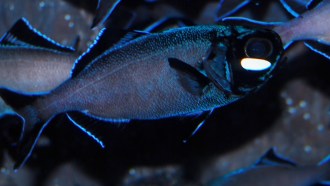
Teen studies living flashlights of the deep
A teen studies a cryptic fish to better understand when and why it flashes its bacterial glow.
- Health & Medicine
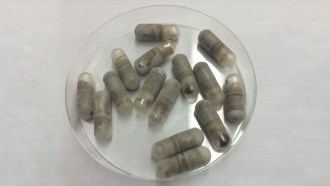
Pills of frozen poop fight killer disease
Popping poop pills? Of course it sounds yucky. But researchers find it might just be one of the most effective ways to knock out a very serious — and tough-to-kill — intestinal disease.
- Health & Medicine
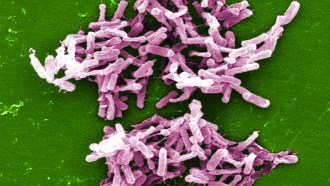
Explainer: What is C. difficile?
Over the past two decades, these severe bacterial infections have evolved from a no-big-deal occurrence to a common, life-threatening problem.
- Animals
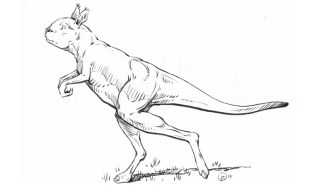
News Brief: No hopping for these ancient ‘roos
By hopping, today’s kangaroos can scoot swiftly through the countryside. That was not true for some of their ancient cousins. True giants, those now-extinct kangaroos would have walked on two feet — and relied on their tippy-toes.
- Animals
Coming: The sixth mass extinction?
Species are dying off at such a rapid rate — faster than at any other time in human existence — that many resources on which we depend may disappear.
- Brain
Strong body helps the mind
Study finds new link between the body and brain in mice and may help explain how exercise heals.
- Brain
Exercise builds brawn — and brains
One 20-minute session of leg exercises improved memory recall by about 10 percent.
- Brain
The distracted teenage brain
Teens often show poor judgment in decision-making. Scientists have long blamed this on the fact that their brains are still developing. A new study offers another explanation: distractions form rewarding behaviors — ones that persist even after the reward itself has disappeared.