Life
- Animals
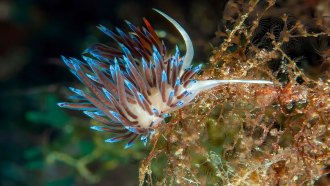
Scientists Say: Kleptopredation
It’s a hunter-eat-hunter world out there, and this feeding strategy gives some double-dipping predators a competitive edge.
- Animals
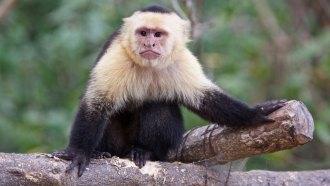
Young capuchins are kidnapping baby howler monkeys
The disturbing habit has emerged among capuchin monkeys on a remote island off Panama. Scientists are baffled — and concerned.
- Fossils
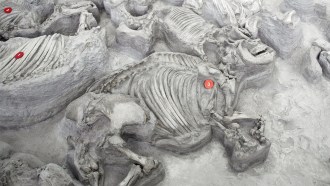
North American rhinos once gathered in large, hippo-like herds
The stumpy-legged rhinos survived until about 12 million years ago, when a supervolcano’s ashfall smothered their world.
- Health & Medicine
Multiple-snake antivenom comes from blood of man bitten 202 times
Tim Friede built immunity to snake venoms through bites and venom injections. His blood proteins now offer antivenom protection against 13 types of snakes.
- Chemistry
Scientists Say: Lipid
These oily, water-repelling molecules knit together, forming the membranes that sustain life.
- Animals
Loss inspired this biologist to study aging
Juan Manuel Vazquez studies the anti-aging genes that have allowed some animals to evolve to live remarkably long lives.
- Genetics
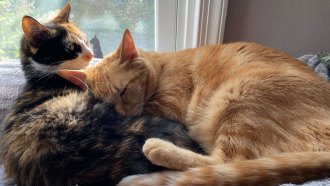
Orange cats get their ginger color from a single gene ‘cutout’
The variant gene is found on the X chromosome. This sex-linked trait for orange fur is found only in domesticated cats.
- Plants
Pollinators send out good vibrations — and plants respond sweetly
Snapdragon blooms can distinguish between the sounds of pollinators and thieves. They boost or drop the sugar in their nectar depending who’s arriving.
- Animals
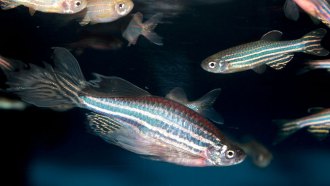
These fish yawn — and it’s contagious
Zebrafish are the first cold-blooded animals known to behave this way. Contagious yawning may affect other behaviors in these fish, too.
- Animals
Whale pee is an ocean bounty
Some migrating cetaceans move thousands of miles to their breeding grounds, where whale urine fertilizes ocean waters with valuable nutrients.
- Microbes
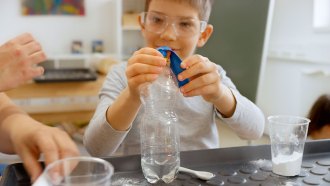
Experiment: Yeasty beasties
It’s hard to believe a packet of dry yeast is full of living things. But feed the yeast the right things, and presto! You’ve got bubbly, oozing mess of life.
- Plants
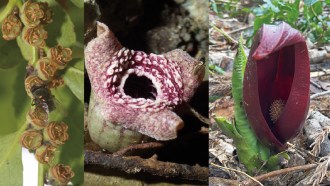
A genetic trick leaves these stinky plants reeking of rotting flesh
This DNA tweak in plants harnesses the same molecule behind our bad breath and transforms it into something worse: the stink of rotting flesh or dung.