Life
- Animals
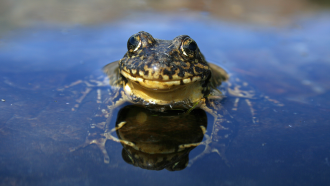
Analyze This: Moving frogs to new places helped an endangered species spread
Frogs resistant to a deadly fungus jump-started populations in these new areas.
- Brain
Mice show us why food poisoning is so hard to forget
Working with mice, scientists have mapped a brain pathway that links an unfamiliar flavor with later food poisoning symptoms.
- Animals
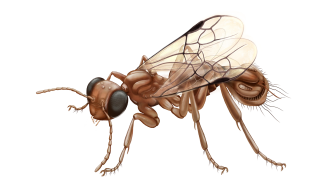
The rear end of this ancient wasp was built like a Venus flytrap
The newfound wasp species — from 99 million years ago — likely laid eggs on the small creatures that would have been caught in this trap.
- Ecosystems
Scientists Say: Ecosystem
The interplay between living things and the physical environment gives rise to Earth’s thriving, life-sustaining ecosystems.
- Environment
Study uncovers secrets in water’s underground treks
Water's subterranean travels can be long, slow — and carry pollutants far from where they first got drawn into the Earth.
- Genetics
DNA confirmed a Pueblo tribe’s ties to Chaco Canyon
DNA supports Picuris Pueblo stories of their ancestry going back more than 1,000 years — to the famous Chaco Canyon site.
- Animals
Captive-breeding axolotls may help avoid their extinction
The axolotl program's success shows promise in helping protect this highly popular amphibian — currently found in only one lake — from dying out in the wild.
- Animals
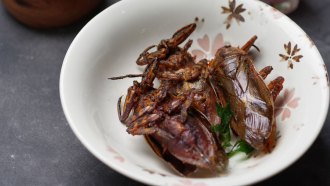
Teens work to keep giant water bugs on the menu
Many culinary cultures around the world prize these nutritious and flavorful insects. New approaches may help giant water bug farming efforts.
- Tech
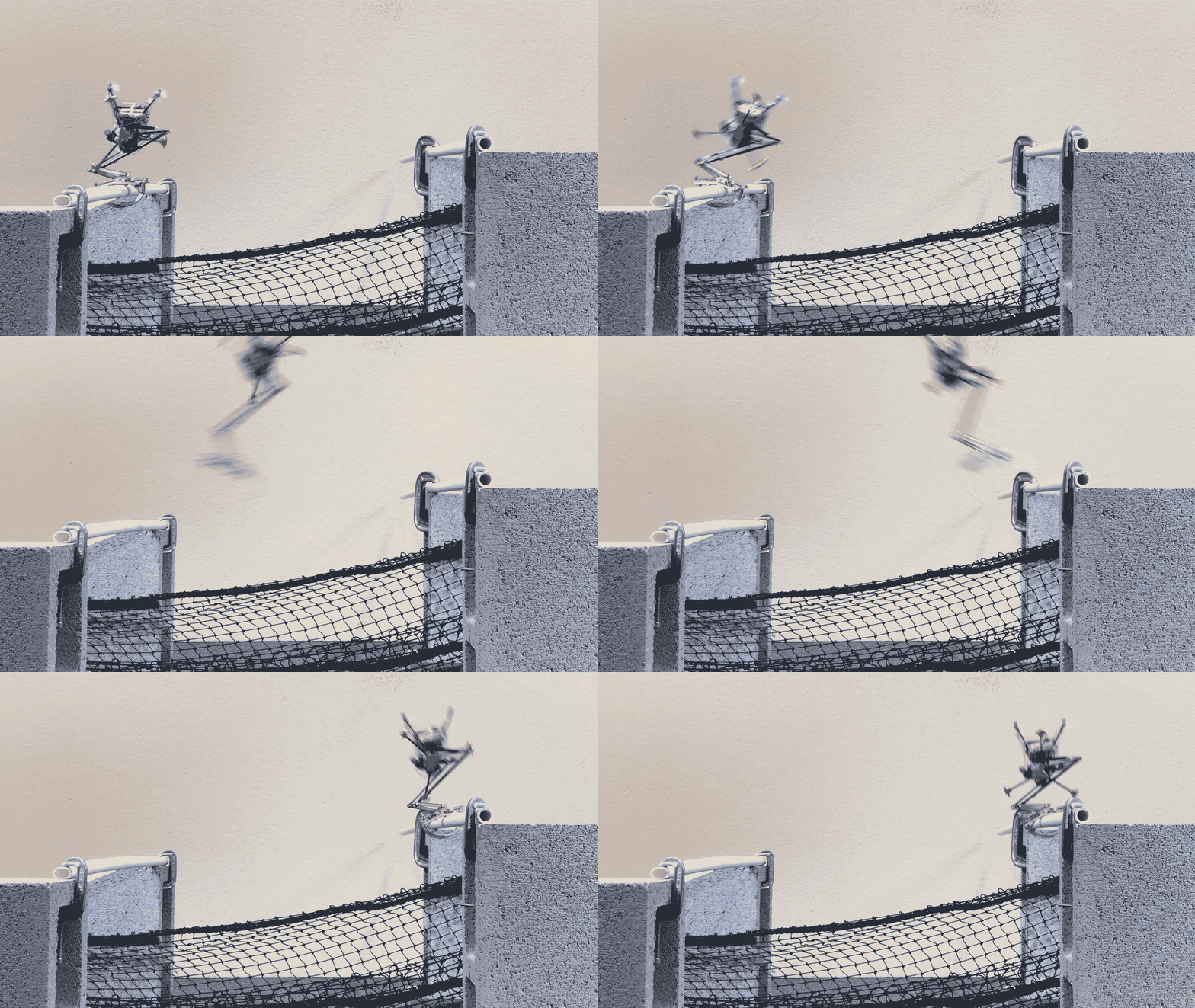
This squirrel-like robot has some serious hops
Salto the jumping robot has a claw-like gripper. Like a squirrel, it can adjust its movement to help it stay balanced to stick a landing on "branches."
- Animals
The ‘bone collector’ caterpillar wears its prey as camouflage
For months, the caterpillar scavenges spider webs for scrapped insect body parts to cover its protective case. Later, that case will serve as its cocoon.
- Life
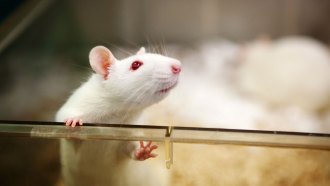
Research without lab animals? New tech is making it possible
For decades, scientists have worked to phase out the use of animals in research. AI, ‘lungs’ on a chip and more are bringing that goal closer.
- Animals
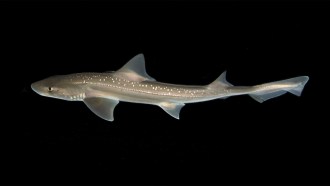
Tick, tick, tick. In a first, a shark is heard making noise
The undersea world can host a symphony of fish grunts, hums and growls. Now add tooth-clacking sharks to the score.