Life
- Fossils
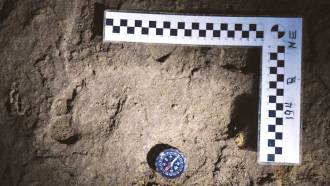
Newly dated footprints: Oldest human tracks?
These footprints, found nearly a half-century ago, may be almost four times older than first thought, scientists now report.
- Animals
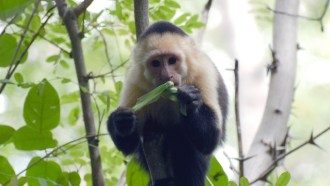
Bugs may have made us brainy
Finding and eating bugs when other food was scarce helped primates — including our ancestors — evolve bigger and better brains. At least that’s the conclusion of a new study in Costa Rica.
- Animals
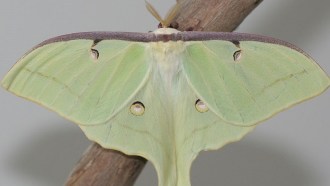
Keep the lights on for National Moth Week
Helping scientists is as easy as leaving your porch light on. Photograph the moths you see and upload them to the Internet for science.
- Health & Medicine
Young blood: The elixir of youth?
Old mice show improved memory when blood from young mice circulated through their brains, a new study finds. Other studies suggest one ingredient in that young blood might be all it takes to deliver benefits.
- Microbes
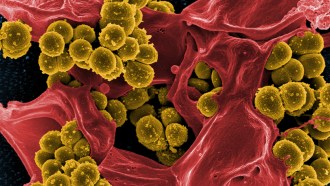
The war on superbugs
Doctors and scientists are exploring ways to stem the growing global crisis of antibacterial resistance.
- Microbes
Explainer: What you can do to fight antibiotic resistance
Doctors and scientists are not the only people who can help preserve the effectiveness of life-saving antibiotics. Even patients have a role to play, as these tips show.
- Microbes
The HIV cure — that wasn’t
Immediate and aggressive drug treatment of a baby born with HIV appeared to have cured the girl. In fact, a follow-up shows, she still has the disease.
- Fossils
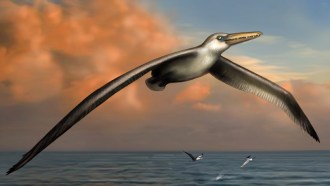
Mega-bird!
What may have been the bird world’s biggest flier ever had wings so long, they would have had trouble flapping fast enough to keep it aloft in tough winds. But this behemoth would have been able to soar both far and fast.
- Microbes
Superbugs: A silent health emergency
Have antibiotics become too popular? Overusing these medicines fuels resistant germs that pose a global health threat.
- Microbes
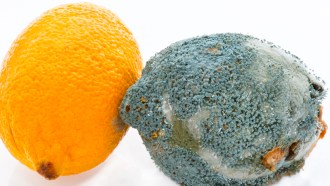
Explainer: Where antibiotics came from
A mold proved the source of the first known antibiotic: penicillin. But chemical dyes would lead to the first antibiotics used in treating people.
- Fossils
This dino-bird is super-feathered
This late-Jurassic dino was also a bird. Its ample coat of feathers emerged before any need for flight.
- Animals
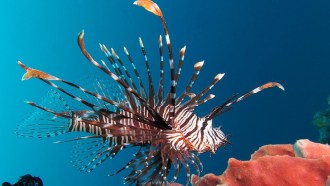
Teen shows salty lionfish are getting fresh
Lauren Arrington kept spotting lionfish in rivers near her Florida home. Her science fair project probed how much fresh water these ocean fish could stand — and led to a published research paper.