Life
-
AnimalsGliders in the family
Two rare gliding mammals may be the closest living relatives of modern primates.
By Emily Sohn -
PlantsSeeds of the Future
Around the world, scientists are putting seeds to sleep for up to thousands of years.
By Bryn Nelson -
FossilsDigging Dinos
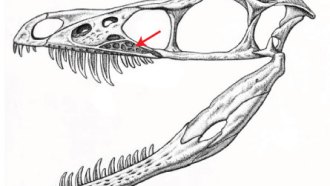
Scientists have discovered a new dinosaur species that spent time underground.
By Emily Sohn -
AnimalsA dangerous meal
An Australian snake preys on poisonous frogs by striking them with venom and then waiting for the frog defenses to break down.
-
AnimalsCrows Carry Cameras for Science
Tiny cameras attached to the tail feathers of crows allow scientists to observe the birds using tools in the wild.
By Emily Sohn -
EcosystemsUnderwater jungles
Cold-water-loving kelp forests may be surprisingly abundant in the tropics.
By Emily Sohn -
FossilsFeathered fossils
Scientists have discovered evidence of feathers on one of the biggest dinosaurs yet.
By Emily Sohn -
AnimalsBee Disease
Scientists may have found one reason why honeybees have been disappearing from the United States.
By Emily Sohn -
AnimalsColor-changing bugs
A species of South American beetle changes color from shiny gold to dull red—and back again.
By Emily Sohn -
EnvironmentLessons from a lonely tortoise
In the Galapagos Islands, scientists are struggling to save some of the most endangered creatures in the world.
By Bryn Nelson -
AnimalsA Wild Ferret Rise
Once nearly extinct, wild black-footed ferrets are making a comeback in Wyoming.
By Emily Sohn -
AnimalsLong nose, hopeful future
A chainsaw-nosed creature of the sea finally earns some protection.
By Emily Sohn