Scientists Say: Amphisbaenian
These limbless lizards are the real-life versions of a terrifying mythological serpent
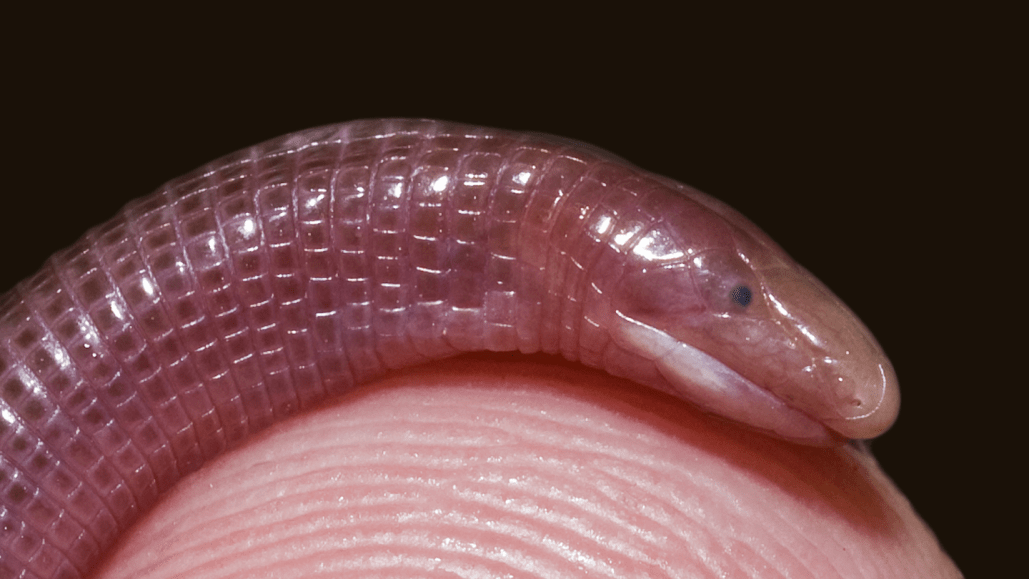
Is it a worm? A snake? Amphisbaenians, or worm lizards, have been confusing scientists for decades.
Jack Goldfarb/Design Pics/Getty Images Plus
Amphisbaenian (noun, “am-fis-BEE-nee-un”)
Amphisbaenians are a group of mostly legless reptiles also known as “worm lizards.” More than 200 species of them live around the world. They’re found in North America, Africa, Europe, the Middle East and the Caribbean. But since worm lizards spend most of their time underground, little is known about them.
Small and pinkish, amphisbaenians look a bit like earthworms. Most are less than 15 centimeters (6 inches) long, and their ringed scales resemble those of earthworms. But amphisbaenians are actually related to lizards and snakes. In fact, worm lizards descended from reptiles with limbs. And several modern amphisbaenian families contain remnants of limbs. Worm lizards of the Bipes genus, for instance, have two small limbs near the fronts of their bodies.
The name amphisbaenian comes from Greek and Roman mythology. In ancient stories, an “amphisbaena” was a serpent with a head on each end of its body. Real worm lizards have tails that resemble their heads. What’s more, they can move well both forwards and backwards.
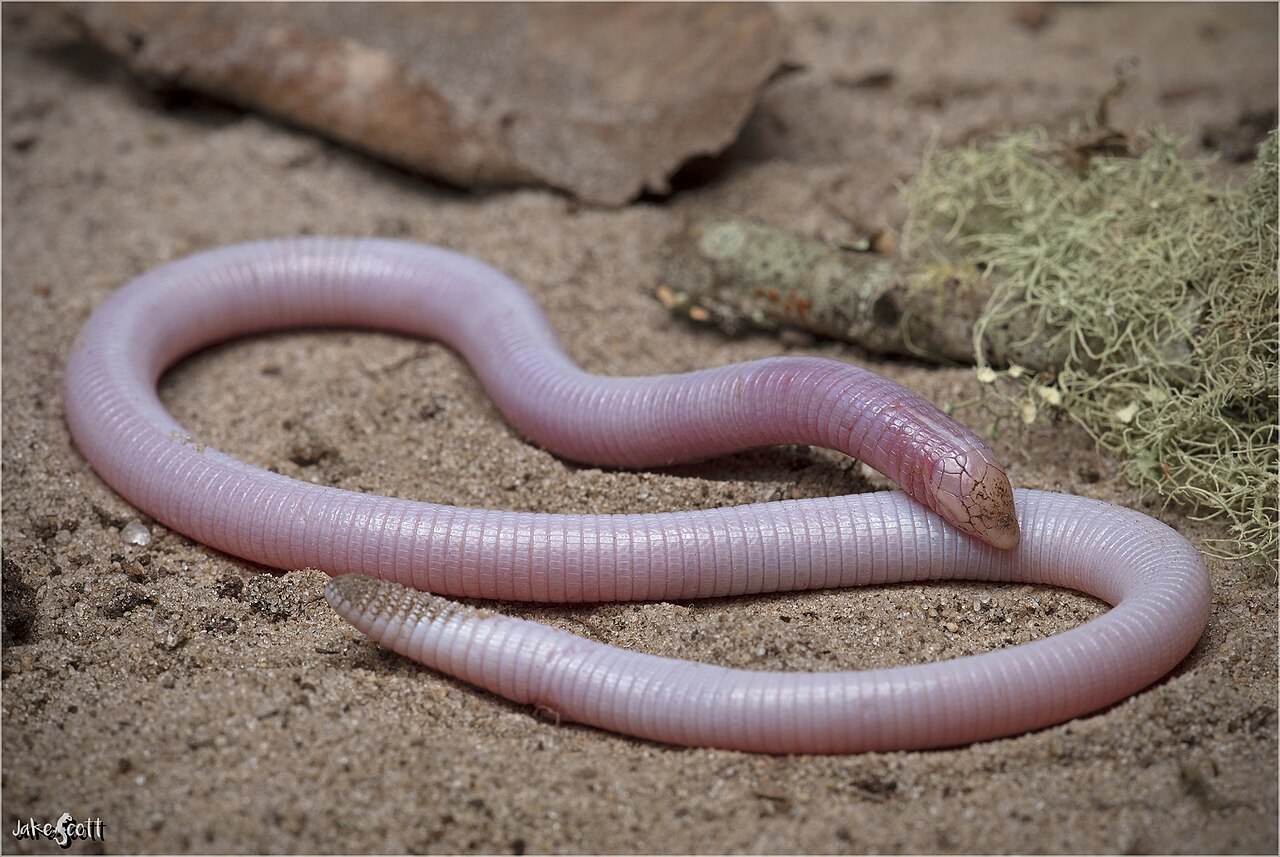
Worm lizards push themselves through the soil in an accordion-like motion and use their strong skulls to burrow. The shapes of different species’ skulls are thought to reflect the soil that they inhabit. There are four main skull shapes, described like different gardening tools. They are: shovellike, round, keellike and spadelike.
Amphisbaenians can’t see much. Their eyes are covered in skin and scales, and they mainly detect light. Burrowing worm lizards rely on their unique ear structures to get around. These structures in the critters’ heads allow them to detect vibrations in their environment. That helps them find the insects and even small rodents to eat.
In a sentence
The red worm lizard species of amphisbaenians is commonly found inside the nests of leafcutter ants, hiding inside their waste chambers.