Life
- Microbes
What the weird world of protists can teach us about life on Earth
Microbes vastly outnumber multicellular life on Earth. A close-up look at protists highlights how much we don't know about the microscopic world.
- Animals
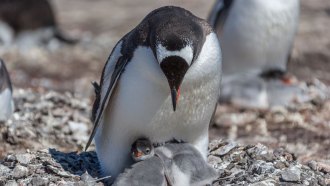
Let’s learn about animals’ bizarre sleep schedules
From reindeer that snooze while chewing to penguins that take thousands of naps each day, the animal kingdom has some truly weird sleep patterns.
- Plants
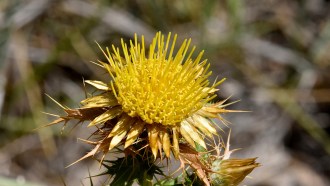
On hot summer days, this thistle stays cool to the touch
Its yellow flowers can cool themselves substantially, staying up to 10 degrees C (18 degrees F) cooler in extreme heat.
- Earth
Experiment: Can plants stop soil erosion?
Soil erosion washes pollutants into streams and rivers — but plants may help limit that.
- Psychology
You’re too distracted. Here’s why that matters and what to do about it
Science reveals the many reasons we are so distracted, from poor sleep and social media to diet and exercise. It also shows us how to take back our focus.
- Animals
Tardigrades survive harsh conditions by almost dying. Here’s how
Under stress, a chemical change signals these water bears to switch between live and mostly dead.
- Tech
Scientists Say: Bionic
This type of technology combines natural and synthetic systems. It can restore lost vision and mobility and even grant cells new abilities.
- Plants
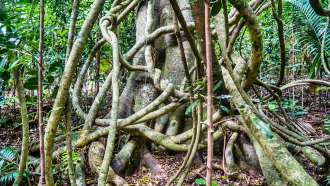
Rampaging vines are slowly strangling tropical forests
Called lianas,these vines are growing out of control. They may cause tropical forests to absorb less carbon dioxide — worsening climate change.
- Animals
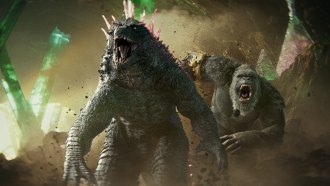
Let’s learn about Godzilla and King Kong
These blockbuster monsters are too big to exist. But if they were real, what adaptations would each bring to battle?
- Plants
This urban gardener is mimicking nature to create healthier plants
Urban garden specialist Kwesi Joseph is experimenting with rock dust and plants. He also helps New York City community and school gardens with gardening problems.
- Animals
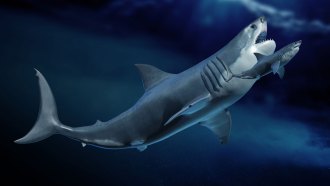
Scientists Say: Megalodon
The extinct megalodon (Otodus megalodon) was the largest shark to ever prowl the oceans.
- Animals
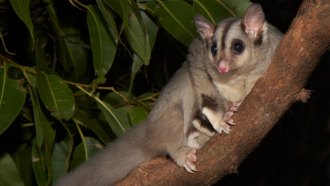
Analyze This: Marsupial gliders may avoid the ground to dodge predators
It has been unclear why gliding evolved in marsupials. To search for clues, researchers strapped activity trackers to some of these cryptic creatures.