Life
- Animals
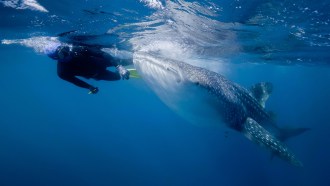
Whale sharks may be the world’s largest omnivores
Chemical clues in the sharks’ skin show that the animals eat and digest algae.
- Genetics
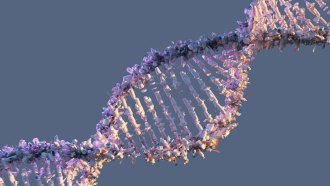
Scientists Say: DNA
Short for deoxyribonucleic acid, DNA is the molecule that determines how each living thing looks and works.
- Animals
When bees are away, moths come out to pollinate
Camera footage reveals that moths make roughly a third of the visits to red clover, working under the cover of night.
- Animals
Your face is mighty mite-y. And that’s a good thing
Tiny face mites live in our pores, getting food and shelter in return for eating our skin waste. A new study shows they can’t live without us.
- Animals
Warm feathers may have helped dinos survive mass Triassic die-off
Dinosaurs may have weathered freezing conditions about 202 million years ago, thanks to warm feathery coats.
- Earth
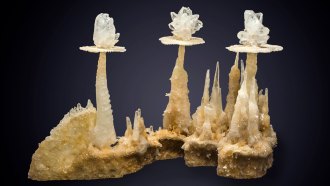
Earth’s rock collection hints at how to search for life elsewhere
A new way to sort minerals focuses on how they formed. It provides new clues about Earth’s crystal past and how to find life on other planets.
- Animals
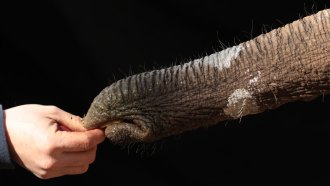
The top side of an elephant’s trunk is surprisingly stretchy
Research on elephant trunks could inspire new artificial skins for soft robots.
- Animals
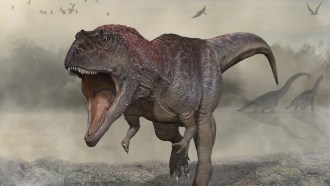
This big dino had tiny arms before T. rex made them cool
A predecessor to Tyrannosaurus rex, Meraxes gigas had a giant head. But the muscularity of its puny arms suggests those limbs served some purpose.
- Plants
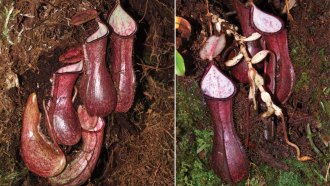
This pitcher plant lures insects into underground deathtraps
Scientists didn’t expect the carnivorous, eggplant-shaped pitchers to be sturdy enough to grow embedded in the soil.
- Chemistry
Scientists Say: Pigment
From fruits to fur to fine art, many materials get their colors from compounds called pigments.
- Animals
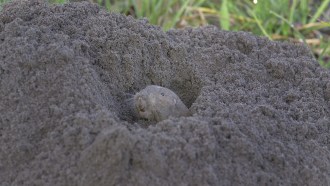
Gophers might be farmers, a controversial study suggests
Pocket gophers air out and fertilize the soil in a way that amounts to simple farming, two researchers claim. But not everyone agrees.
- Animals
Great white sharks may be partly to blame for the end of megalodons
Zinc levels in shark teeth hint that megalodons and great whites competed for food — and great whites won.