Life
- Animals
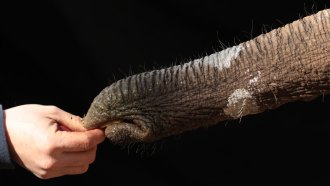
The top side of an elephant’s trunk is surprisingly stretchy
Research on elephant trunks could inspire new artificial skins for soft robots.
- Animals
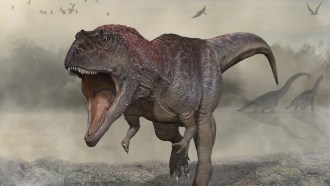
This big dino had tiny arms before T. rex made them cool
A predecessor to Tyrannosaurus rex, Meraxes gigas had a giant head. But the muscularity of its puny arms suggests those limbs served some purpose.
- Plants
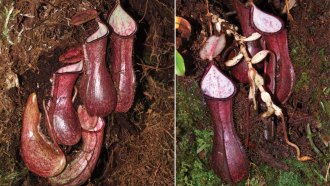
This pitcher plant lures insects into underground deathtraps
Scientists didn’t expect the carnivorous, eggplant-shaped pitchers to be sturdy enough to grow embedded in the soil.
- Chemistry
Scientists Say: Pigment
From fruits to fur to fine art, many materials get their colors from compounds called pigments.
- Animals
Gophers might be farmers, a controversial study suggests
Pocket gophers air out and fertilize the soil in a way that amounts to simple farming, two researchers claim. But not everyone agrees.
- Animals
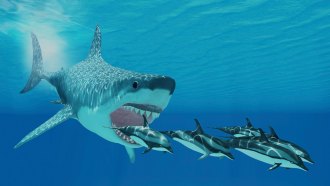
Great white sharks may be partly to blame for the end of megalodons
Zinc levels in shark teeth hint that megalodons and great whites competed for food — and great whites won.
- Ecosystems
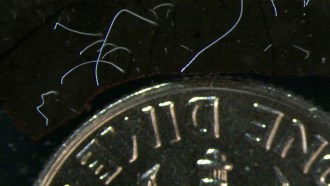
This giant bacterium lives up to its name
The newly discovered Thiomargarita magnifica is about the size of your eyelash and is surprisingly complex.
- Animals
Like an octopus, this glove lets fingers grip slippery objects
The octopus-inspired suckers on each fingertip grab and release objects on demand.
- Animals
Why these jumping toadlets get confused mid-flight
The tiny pumpkin toadlet tumbles when it jumps. Its ear canals may be too tiny to help the animal track its motion through the air.
- Animals
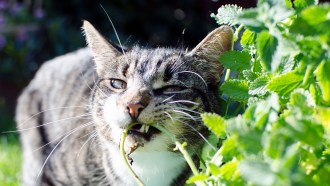
Catnip’s insect-repelling powers grow as Puss chews on it
Damaging the leaves boosts the plant’s chemical defenses — and their appeal to cats.
- Animals
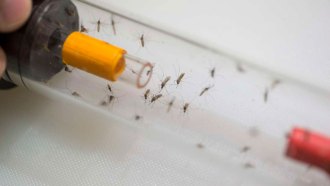
Sleepy mosquitoes prefer dozing over dining
Mosquitoes repeatedly shaken to prevent slumber lagged behind well-rested ones when offered a leg to feed on.
- Animals
Butterfly ‘tails’ might be part of an escape tactic
Slender, tail-like extensions on their wings may help some butterflies survive attacks by hungry predators.