Life
- Genetics
Examining Neandertal and Denisovan DNA wins a 2022 Nobel Prize
Svante Pääbo figured out how to examine the genetic material from these hominid ‘cousins’ of modern humans.
- Animals
Watch: This red fox is the first spotted fishing for its food
Big fish in shallow water were easy pickings for this red fox. It’s the first of its species known to fish.
- Animals
Living mysteries: This critter has 38 times more DNA than you do
The genomes of salamanders are bloated with genetic “parasites.” That extra DNA slows down their lives and strands them in perpetual childhood.
- Animals
Several mammals use a South American tree as their pharmacy
Researchers in Brazil’s Atlantic Forest stumbled onto something very strange. They watched as animals “doctored” themselves with products from a tree.
- Animals
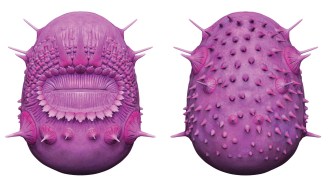
Bizarre ancient critter has spines but no anus
The spiny discovery moves this minion lookalike off a distant limb on the human family tree.
- Animals
Some ecologists value parasites — and now want a plan to save them
Parasites get a bad rap as disease-causing, unwelcome guests on other organisms. But parasites are also imperiled, and scientists don’t want to lose them.
- Animals
Analyze This: Bulky plesiosaurs may not have been bad swimmers after all
Long-necked plesiosaurs were thought to be slow swimmers. But new research suggests the animals’ large size helped them overcome water resistance.
- Life
Scientists Say: Fungi
Although some fungi can cause diseases, others can be eaten, used to make medicines or serve other useful functions.
- Animals
A tiny microbe inspired this scientist’s big dreams
Marc Mapalo has discovered three species of tardigrades and studies fossils of these water bears to better understand how their bodies have changed over time.
- Animals
How boa constrictors squeeze their prey without strangling themselves
Tracking boas’ ribs in X-ray videos revealed the snakes’ squeezing secrets. It’s the latest Wild Things cartoon from Science News Explores.
- Animals
Rats can chronicle human history
Rats have lived alongside people for thousands of years. Now, scientists can study the rats and their leavings to learn more about ourselves.
- Animals
Ancient ‘ManBearPig’ mammal lived fast — and died young
Developing in the womb for a while — but being born ready to take on the world — may have helped post-dinosaur mammals rise to dominance.