Life
- Brain
Search for ‘rewards’ is big driver in remodeling a teen’s brain
Communication ‘highways’ in the brain undergo a major overhaul as children morph into adults. Dopamine plays a big role in this remodeling project.
- Brain
Let’s learn about exercise
Our bodies — from our muscles to our brains — love a good workout. Scientists are always learning new things about exercise.
- Animals
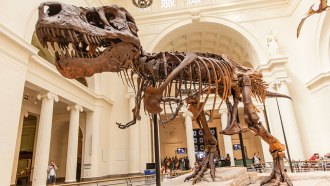
Scientists Say: Dinosaur
Dinosaurs emerged between 243 and 233 million years ago. While some died out 66 million years ago, others are still with us — birds.
- Fossils
An ancient hippo-sized reptile may have been a speedy beast
An Anteosaurus was a hefty reptile with a large snout. Its fossil skull hints that it may have moved fast for its time.
- Animals
Science and Indigenous history team up to help spirit bears
When scientists and Indigenous people work together, their efforts can benefit bears and people.
- Animals
Explainer: Black bear or brown bear?
If you see a bear, check size, shape and more to find out what type it is.
- Animals
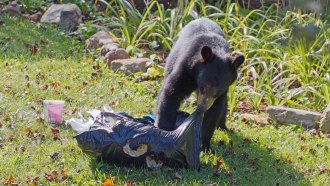
Changing people’s behavior can make bear life better
Black bears don’t always live life on the wild side. More and more, they live near people. Here’s how people and bears can get along.
- Genetics
Let’s learn about DNA
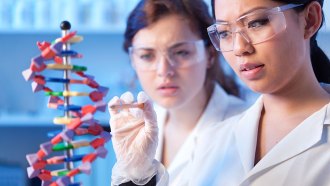
DNA is made of two chemical chains twisted around each other. It stores information that allows cells to grow and function.
- Animals
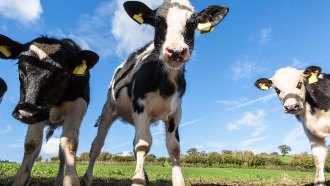
Analyze This: Cows burp less methane after early-life treatment
Calves that receive the 14-week treatment belch less of the greenhouse gas, possibly due to shifts in their gut microbes.
- Brain
Scientists may have finally found how catnip repels insects
The plant deters mosquitoes and fruit flies by triggering a chemical receptor that, in some animals, senses pain and itch.
- Animals
Urban gardens create a buffet for bees
City gardens provide a huge amount of nectar and pollen for pollinators, making them an essential conservation tool.
- Climate
Changing climate now threatens northern lakes year round
Lakes in northern climes are getting warmer, and that’s not good for people, plants or animals.