Life
- Health & Medicine
Got brain rot?
Excessive scrolling through social media or viral videos can mess with your mental health — and possibly alter your brain’s development, studies show.
- Animals
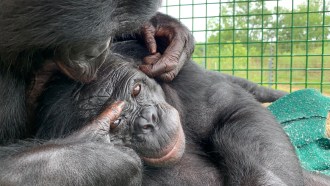
A bonobo’s imaginary tea party hints that apes can pretend
Kanzi would sometimes play with imaginary juice and grapes, just as humans might. The bonobo's ability challenges old ideas about how animals think.
- Oceans
The sea surface covered by seaweed is now as big as South America
The first global mapping of macroalgae blooms in the ocean, last year, reveals rapid growth and a new record for the area seaweed blankets.
- Ecosystems
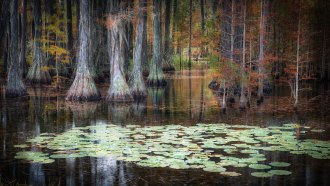
The Okefenokee’s dark waters hold secrets about climate and more
This Georgia peat swamp’s vast stores of carbon and water are under threat from mining and pollution. Scientists and locals are fighting to protect it.
- Animals
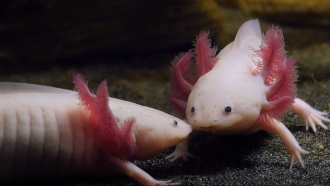
Let’s learn about animals that can regrow body parts
Animals that regenerate limbs, eyes and other body parts may hold clues to superhuman healing.
- Physics
Scientists Say: Equilibrium
This steady state may look like a total standstill, but it’s actually an equal opposition of forces.
- Brain
Adolescence appears to last far longer than once thought
The brain undergoes “rewiring” throughout adolescence and doesn’t reach its adult architecture until our early 30s, suggests a new study.
- Animals
Analyze This: Primates may have evolved in the cold
Scientists thought the ancestor of humans and apes lived in the tropics. A new study points to a chilly location instead for primate evolution.
- Animals
Animals’ personalities can affect a species’ survival
From bold foxes to shy parrots, animals’ personalities are increasingly being seen as key to saving species.
- Animals
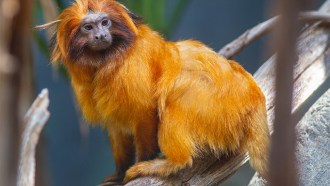
Brazilian monkeys offer lessons on how to return species to the wild
Efforts included letting golden lion tamarins roam free in urban U.S. parks. Restoring natural behaviors was key to their survival in the wild.
- Climate
Microbes that dwell in tree bark devour major climate gases
Hidden in plain sight, this huge community of tree-bark microbes dines on gases — such as methane — that warm Earth’s atmosphere.
- Animals
Mummies suggest a way to help reintroduce cheetahs to Arabia
DNA from Arabian cheetah remains reveals that these now-extinct populations might be replaced by rewilding close cheetah relatives from northwest Africa.