Life
- Animals
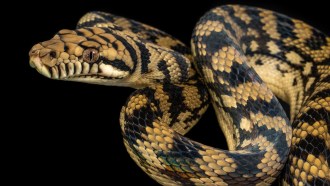
Physics explains how snakes climb and stand without limbs
Tree snakes can raise their body into the air without falling over. They keep their balance by bending their bodies close to their base.
- Plants
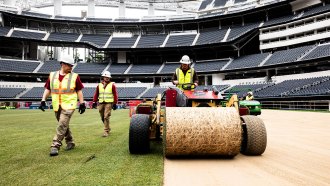
Perfect pitch? Scientists lay new grounds for World Cup ‘26
High-tech turfgrass carpets will be unrolled in 16 stadiums across North America — including five that must survive despite getting no natural sunlight.
- Life
Scientists Say: Biophoton
All living things glow with this mysterious light. But scientists need ultra-sensitive tools to detect it.
- Animals
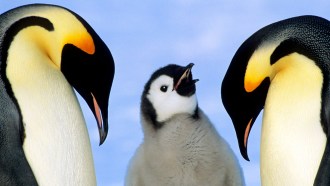
Emperor penguins are on the march — toward extinction
Along with Antarctic fur seals, these iconic birds, the largest of all penguins, are now endangered by their continent’s warming.
- Ecosystems
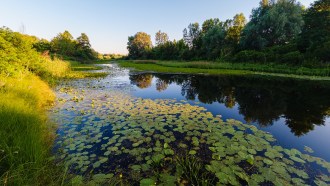
Let’s learn about wetlands
Just how wet these lands are varies a lot — from seasonally soaked to permanently flooded.
- Brain
Brain scans offer clues to why math is harder for some kids
Kids with math learning disabilities process number symbols differently than numbers shown as dots.
- Animals
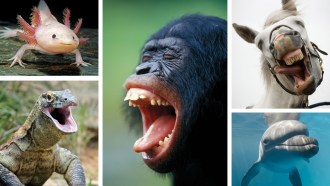
Animals can feel joy. Here’s how scientists might study it
Research has long focused on understanding negative emotions like fear in animals. Now they’re trying to measure positive feelings like joy. It’s a challenge.
- Animals
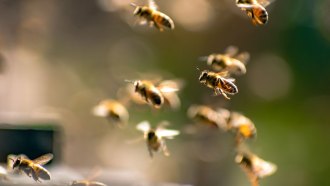
Analyze This: How many insects are in the air?
Weather data have helped estimate the density of flying insects in U.S. skies. That could help track climate change’s impact on insects.
- Plants
Light pollution could be supercharging your pollen allergies
Light pollution in North American cities seems to be tricking plants into releasing pollen for longer periods each year.
- Life
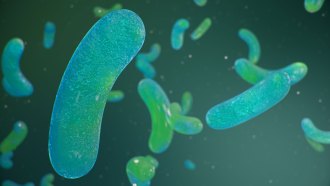
Looking for LUCA, everyone’s shared ancestor
You and all other living things descended from a single organism — our great-grand-germ. Scientists are studying modern genes to learn more about this very distant ancestor.
- Ecosystems
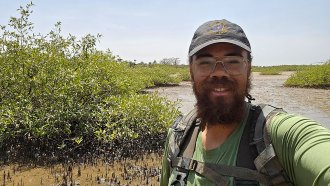
Hurricane Katrina shaped this coastal ecologist’s life and work
Surviving Hurricane Katrina inspired Elliott White Jr.’s scientific journey to studying how humans and climate change impact wetlands.
- Life
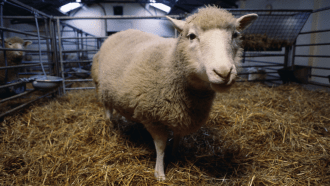
Scientists Say: Clone
This adaptable tech can help with everything from engineering medical microbes to preserving endangered species.