Life
- Animals
Here’s the summer science you might have missed
From sizzling Siberia and ‘smart’ toilets, to new uses for astronaut pee, more than COVID-19 made news this summer.
- Microbes
Some deep-seafloor microbes still alive after 100 million years!
Some starving microbes nap while awaiting their next meal. For some living miles below the ocean surface, that nap may exceed 100 million years.
- Animals
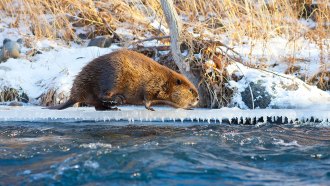
Busy beavers may be speeding thaw of Arctic permafrost
As climate change continues, busy beavers are expanding their range in Alaska. Their dams could further speed the loss of permafrost there and promote local warming.
- Brain
A bit of stress may help young people build resilience
A comfortable life may sound fun but may not be so healthy in the long run. A study in monkeys shows there may be a ‘sweet spot’ when it comes to stress.
- Brain
Puberty may reboot the brain and behaviors
Facing adversity early in life can hurt how children learn to deal with stress. Puberty can sometimes offer a chance to reset how the body responds to stress, returning it to normal.
- Animals
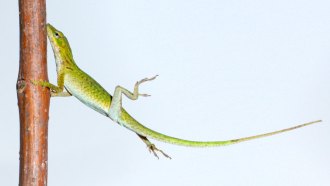
Analyze This: Hurricanes may help lizards evolve better grips
Lizards have larger toepads in areas that tend to have higher hurricane activity. This suggests high winds select for those that can hang tight.
- Genetics
A Hong Kong man got the new coronavirus twice
His is the first confirmed case of reinfection with this virus. His second bout was detected by accident, because he showed no symptoms.
- Animals
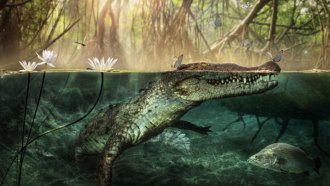
American crocs seem to descend from kin that crossed the Atlantic
A fossil hints that early crocodiles crossed over from Africa, millions of years ago, to colonize a new land.
- Agriculture
Scientists Say: Carbohydrate
Carbohydrates are molecules with carbon, oxygen and hydrogen. Animals break down these chemicals in food to get energy.
- Brain
You don’t see as much color as you think
It might seem like we live in a world full of color. But when scientists flip it into black and white, most people never notice the switch.
- Animals
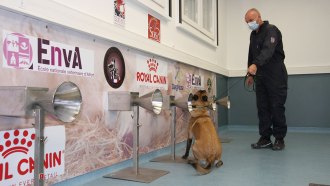
Viral scents? Dogs sniff out coronavirus in human sweat
Researchers train dogs to sniff out COVID-19. In the United Arab Emirates, sniffer dogs have already begun identifying infected passengers at airports.
- Archaeology
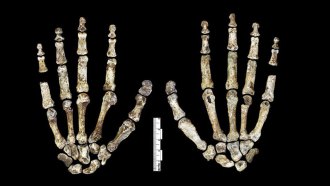
Let’s learn about early humans
Homo sapiens are the last member left of our genus. But many other species of early humans existed before us.