Space
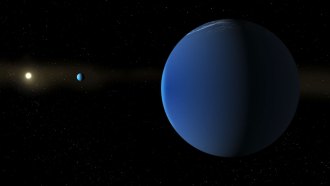
This cosmic oddity blurs the line between planet and moon
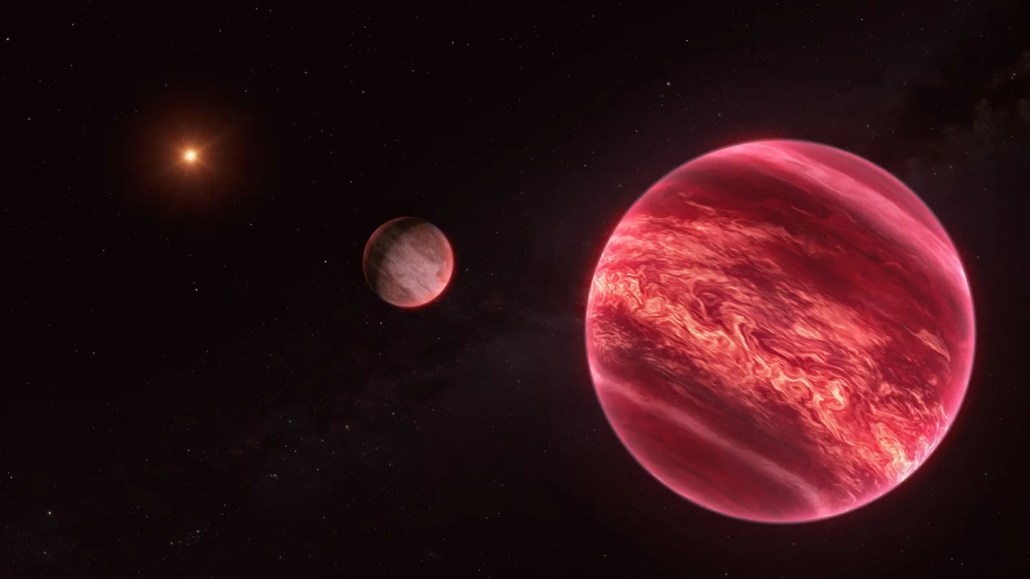
The object orbits a brown dwarf that orbits a star. Astronomers aren’t sure if it’s a planet, a moon — or something else entirely.
A collapsed structure, which turned up in 30-year-old radar data from Venus, may be one of many underground caves.
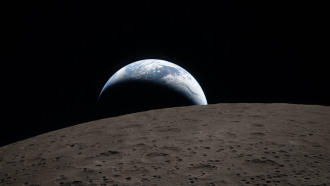
The Artemis astronauts are safely back on Earth. But they immortalized their historic voyage to the moon in these stunning photographs.
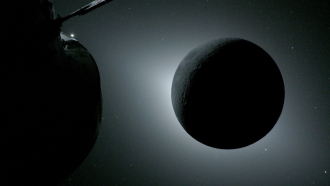
The astronauts had a front-row view of the lunar farside and the first eclipse ever seen from the moon.
This first human trip to the moon in more than 50 years will take four astronauts farther than anyone has gone before.
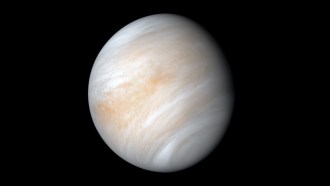
Venus’ surface is hot enough to melt lead, studded with volcanoes and shrouded in clouds of corrosive acid.
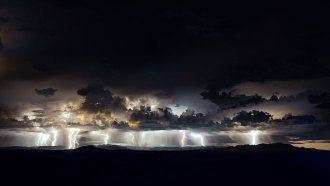
Scientists suspected Mars had these zaps but had never detected them — until now. NASA’s Perseverance rover recorded them generated by dusty gusts.
The Hubble Space Telescope is an icon in astronomy. Here are some of its most out-of-this-world images.
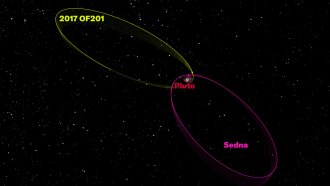
For the distant object, one trip around the sun takes over 24,000 years. Its orbit challenges a proposed path for a hypothetical “Planet Nine.”
Mars would need an atmosphere thick enough to hold heat and with enough oxygen for people to breathe. This is how we might terraform Mars.