Plants
- Animals
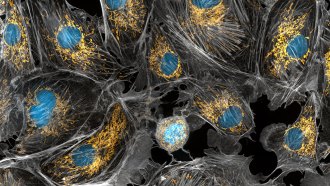
Scientists Say: Organelle
An organelle is a part of a cell with a particular function. Like organs. But for cells.
- Agriculture
Dew collector brings water to thirsty plants
This invention grabs water from the air at night. All it needs is the sun’s warmth the next day to release that moisture to growing plants.
- Agriculture
How to grow your own science experiment
Does fertilizer help plants grow better? You might expect it to, but how can you know? This experiment will help you test it yourself.
- Animals
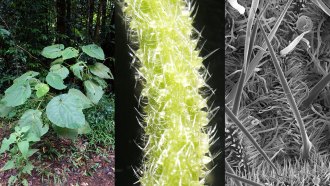
Please do not touch the Australian stinging tree
Stinging-tree leaves look soft and inviting, but one touch delivers agony. Structurally, the plant's painful chemical looks a lot like spider venom.
- Chemistry
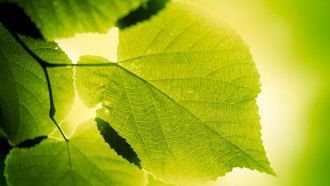
Explainer: How photosynthesis works
Plants can take in light, water and carbon dioxide, and send out sugar and oxygen. Here’s how it works.
- Physics
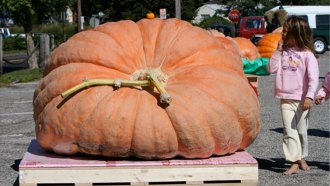
Here’s how giant pumpkins get so big
Cinderella took a ride in a pumpkin coach. Though real pumpkins do get big enough, here’s why their ride would be uncomfortable at best.
- Climate
The faster trees grow, the younger they die
As climate change spurs forest tree growth, it also shortens trees’ lives. That results in a quicker release of climate-warming carbon back into the atmosphere.
- Ecosystems
‘Vampire’ parasite challenges the definition of a plant
Langsdorffia are stripped down to their essentials. Lacking green leaves for photosynthesis, they steal energy and nutrients from other plants.
- Agriculture
Scientists Say: Carbohydrate
Carbohydrates are molecules with carbon, oxygen and hydrogen. Animals break down these chemicals in food to get energy.
- Earth
On an Alaskan glacier, little green moss balls roll in herds
Oval balls of moss, nicknamed ‘glacier mice,’ roll across some glaciers. A new study explores the mysteries behind their herd-like motion.
- Animals
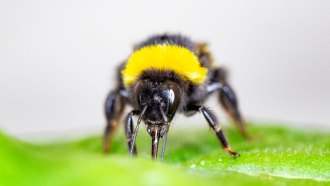
Bumblebees may bite leaves to spur plant blooming
In a pollen shortage, some bees nick holes in tomato leaves. This can speed up flowering and pollen production by weeks.
- Materials Science
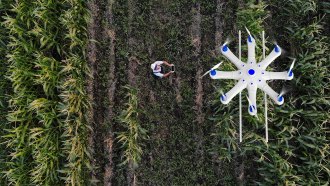
Silk-based microneedles may help treat diseased plants
Engineers have invented silk microneedles to inject medicines into plants. One day farmers might use drones to dart their sick plants with meds from the air.