Plants
- Plants
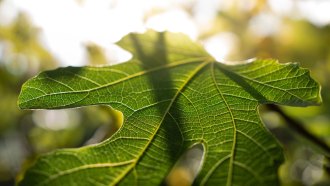
Scientists Say: Phloem
Phloem is tissue that delivers food, made in leaves during photosynthesis, to the rest of a plant.
- Animals
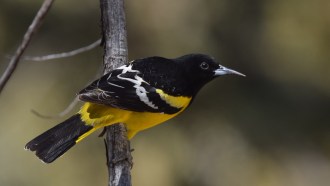
Racism lurks in many plant and animal names. That’s now changing
Racist legacies linger in everyday lingo for birds, plants and other organisms. Some scientists now see the chance to change that.
- Animals
What biologists call a species is becoming more than just a name
The tree of life — evolution — has been reshaping how scientists name and classify organisms. Some want naming to reflect evolutionary groups even more.
- Life
Well-known wildflower turns out to be a secret meat-eater
Look closely at Triantha occidentalis, and you’ll see gluey hairs — and a trail of insect corpses on its stem.
- Genetics
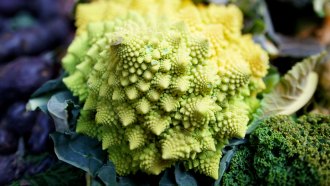
How Romanesco cauliflower grows spiraling fractal cones
By tweaking just three genes in a common lab plant, scientists have mimicked one of nature’s most impressive mathematical patterns.
- Plants
These ferns may be first plants known to work together as ants do
Staghorn ferns grow in massive colonies where individual plants contribute different jobs. This may make them “eusocial,” like ants or termites.
- Agriculture
New technologies might help keep drought-prone farms green
After learning how much damage drought can do to crops, two teens designed ways to detect a thirsty plant and make sure it gets enough water.
- Plants
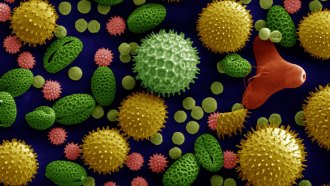
Scientists Say: Pollen
Pollen is a mass of tiny reproductive cells. These grains combine with egg cells to form seeds — but on the way, they can make some people miserable.
- Animals
Scientists Say: Genus
A genus is a group of closely related species. It’s the first part of the two-part system called binomial nomenclature, used to name living things.
- Fossils
Dinosaur-killing asteroid radically changed Earth’s tropical forests
The asteroid collision initially reduced the diversity in what had been sunny tropical rainforests. In time, the forests would become permanently darker.
- Brain
Scientists may have finally found how catnip repels insects
The plant deters mosquitoes and fruit flies by triggering a chemical receptor that, in some animals, senses pain and itch.
- Animals
Urban gardens create a buffet for bees
City gardens provide a huge amount of nectar and pollen for pollinators, making them an essential conservation tool.