Tech
- Chemistry
Some 3-D printing can leave toxic taint
The ”ink” inside some 3-D printers can leave toxic traces. In tests, these chemicals harmed baby fish. But lighting could render the parts safer.
- Animals
Taking attendance with eDNA
Environmental DNA, or eDNA, tells biologists what species are in an area — even when they’re out of sight.
- Physics
Explainer: Locating a gun with sound waves
Recording the sound of a gun from three microphones can help scientists pinpoint the weapon’s location.
- Physics
Boom! Sounding out the enemy
Armistice Day marked the end of the Great War. But what arguably won the war was acoustics — the science of sound. It allowed Allied troops to home in on and rout the enemy.
- Health & Medicine
Light can control waves in heart tissue
Researchers have used light to trigger and control electrical waves in the heart. The technique might one day provide new ways to treat heart disease.
- Agriculture
Cool Jobs: Crazy about cows
Scientists are studying cows from one end to the other, with the goal not only of making the animals healthier but also of helping the environment.
- Brain
New light on brain science
A combination of physics, biology and engineering lets scientists use light to trigger actions by specific brain cells. Called optogenetics, this technology is shining new light on how the brain works.
- Chemistry
These bubbles treat wounds
New research shows bubble-powered drugs can travel upstream, against the flow of blood, to seal wounds shut.
- Health & Medicine
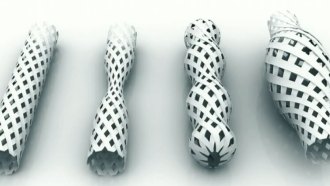
How to print shape shifters
3-D printing was only the beginning. Scientists are pursuing 4-D printing, creating objects that can move and interact with their surroundings.
- Humans
Jamestown: Unearthed graves tell tales of colony leaders
The newly uncovered 400-year-old remains of four leaders of the Jamestown settlement in Virginia reveal details of the notable’s lives — and deaths.
- Earth
Ground-thumping cheers help scientists
Eager to test new sensors before the next ‘big one,’ earthquake scientists make use of a predictable source of ground-shaking: football fans.
- Earth
Phoning in earthquakes
Sensors in your internet-connected phone, tablet or personal computer could help detect earthquakes more quickly and reliably.