The Okefenokee’s dark waters hold secrets about climate and more
This peat swamp in southeast Georgia teems with biodiversity — and huge stores of carbon
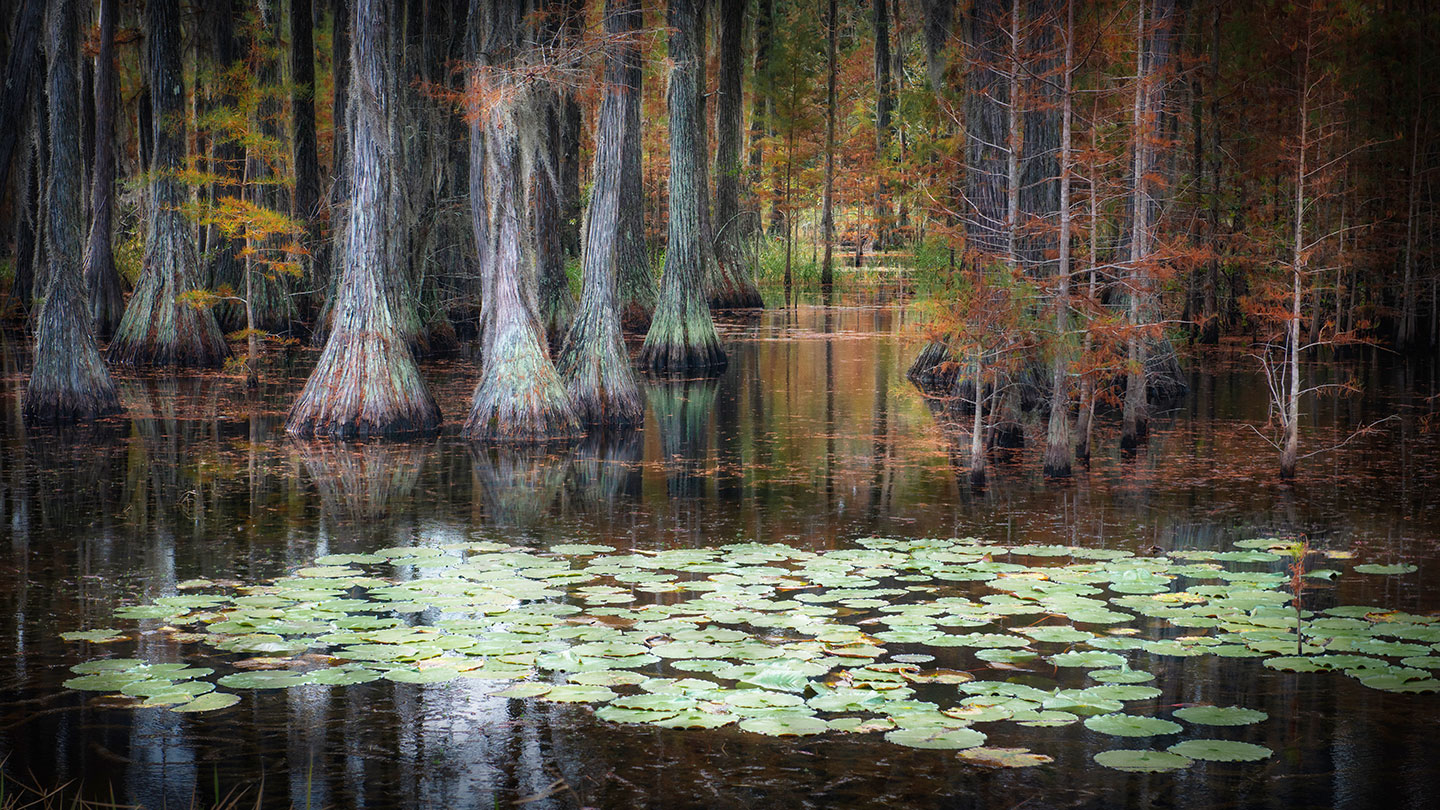
Spending time in the Okefenokee is like traveling back in time. “It’s very mysterious,” says river advocate Rena Peck. “All of a sudden you hear sandhill cranes. They sound like the pterodactyls from Jurassic Park. … It’s exhilarating.”
shutterjack/RooM/Getty Images
This is a human-written story voiced by AI. Got feedback? Take our survey . (See our AI policy here .)
It’s quiet in the Okefenokee. Cypress trees, draped with Spanish moss, loom over the dark water of this swamp in southeastern Georgia. But look closely and that stillness reveals signs of life — and hints of hope in the midst of global change.
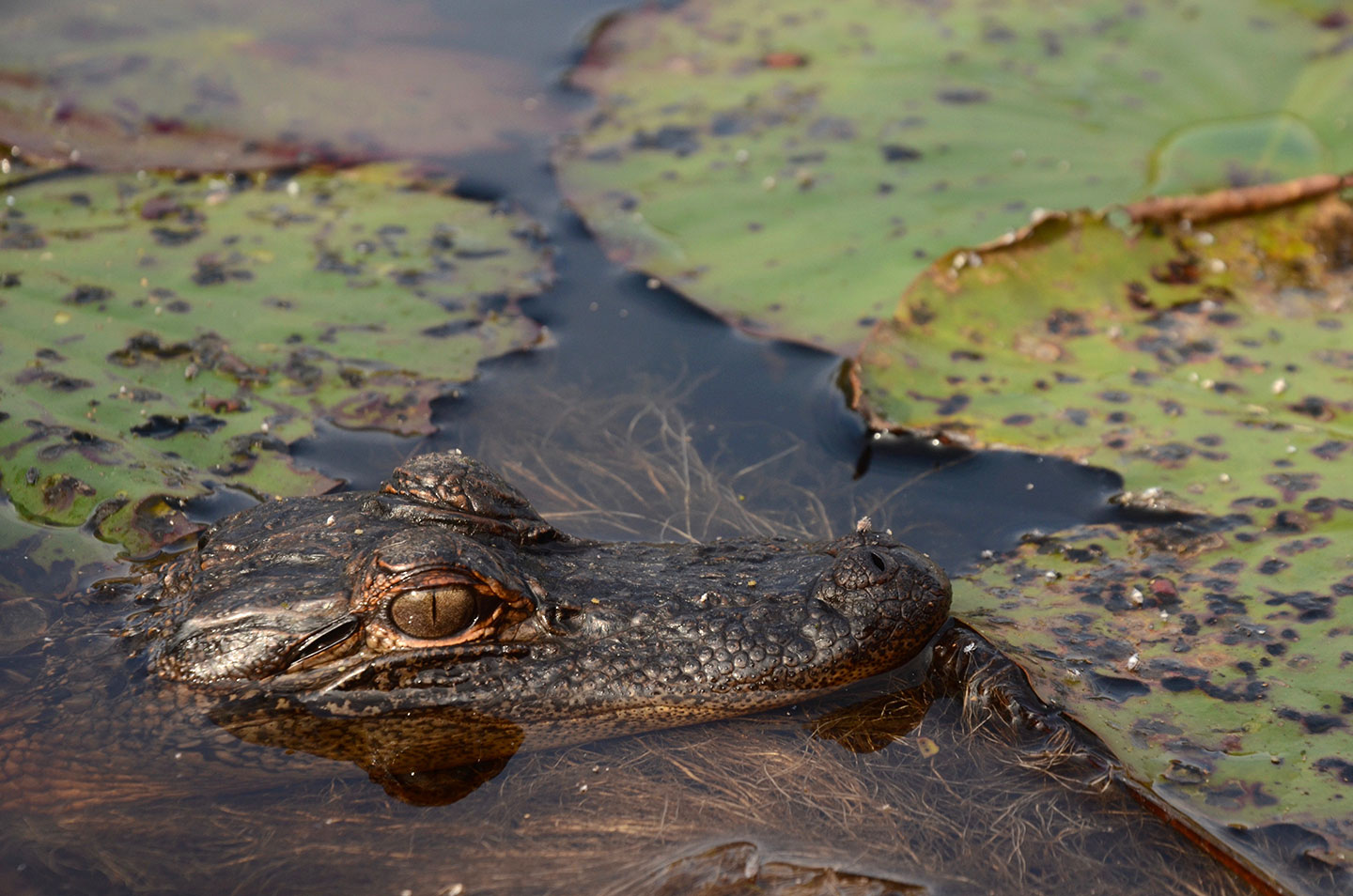
A black bear wanders the edge of the swamp looking for berries. A water moccasin’s serpentine body dangles from a branch overhanging the water. An alligator sunning on a log slips into the water as a boat approaches. A great blue heron swoops overhead while, beneath the surface, a black-banded darter flips its fins and glides silently away.
At night, animals join in a multi-species chorus. The swamp rings with the trills and buzzes of tree frogs and the bass croak of bullfrogs. Nearby, a barred owl calls. Suddenly, something shrieks in the dark. You can’t see it. But who could mistake the otherworldly cry of a bobcat? This is life in the Okefenokee. And there’s an abundance of it.
Part land, part water, the Okefenokee Swamp formed thousands of years ago. Its area was once covered by the ocean. Then the seas receded. This left a ridge, with the sea on one side and a shallow freshwater ecosystem on the other. That freshwater became the Okefenokee. Today, this swamp is thriving. And what’s hidden beneath its dark waters may be crucial for saving life elsewhere — if the swamp can survive the threats it faces.
Beneath the surface
The surface here is more water than ground. And that small amount of ground can be wet and wobbly. That’s how the swamp got its name. Okefenokee is a Muscogee word. It means “land of trembling earth.” (The Muscogee are an Indigenous people from this area.)
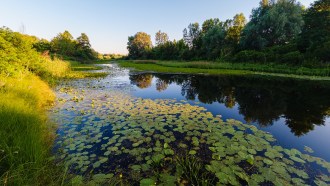
If you paddle through the Okefenokee, you’ll notice that its water is black and shiny. It reflects an upside-down version of the swamp, as if it’s looking at itself in a mirror. The water is black because the Okefenokee is a unique type of ecosystem: a peatland swamp.
Peat is a thick layer of partly decomposed plants. And that peat does more than stain the water.
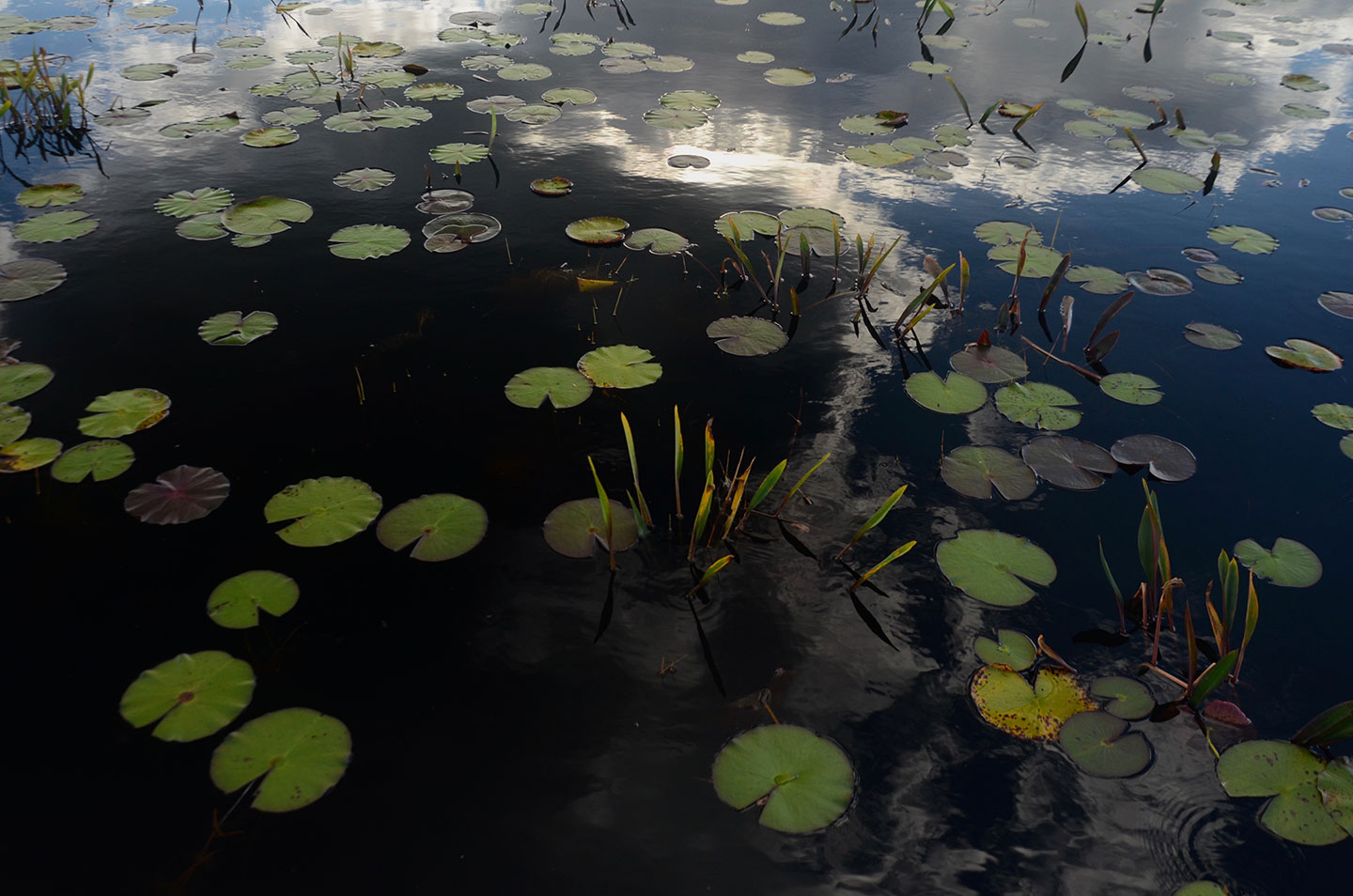
As they grow, plants absorb carbon dioxide from the atmosphere. Carbon from the gas will be used to make plant tissues. Later, when these plants die and break down, that carbon will be released back into the air. At least that’s how it usually works.
But the Okefenokee has a lot of slow-moving water below the surface of its soil. Still waters hold less dissolved oxygen than flowing water. Less oxygen supports fewer of the bacteria that break down plants and other organic matter. So when plants in the Okefenokee die, they build up into thick layers of peat.
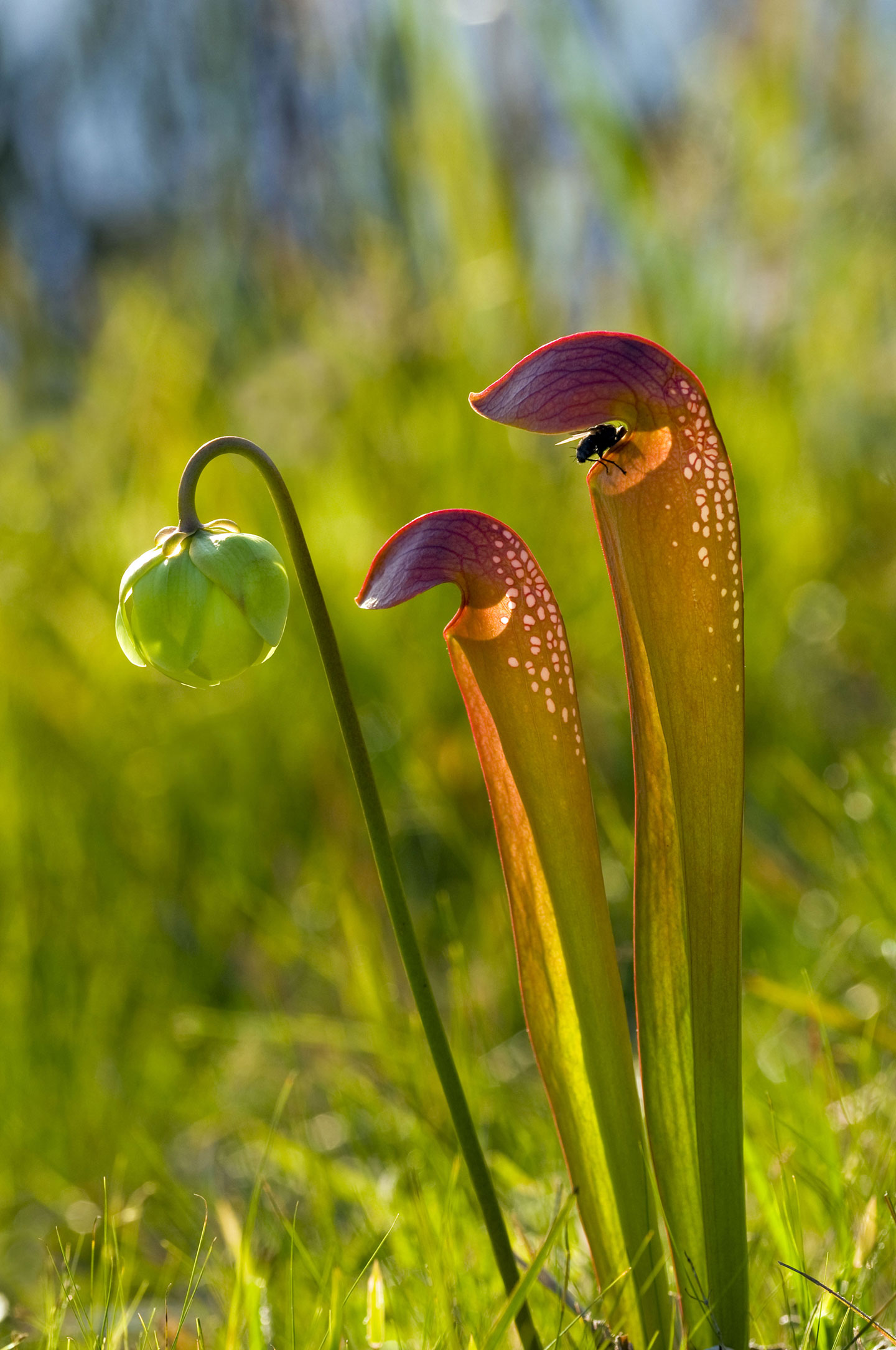
This peat stores the plants’ carbon rather than releasing it into the atmosphere. Places where carbon is stored, or sequestered, in this way are called carbon “sinks.”
And the Okefenokee is a huge carbon sink. There’s an estimated 124 million metric tons of carbon tucked away here. That’s roughly as much as 27 million gas-burning cars would release in a year.
Keeping carbon out of the atmosphere helps limit global warming. When it comes to protecting the climate, the Okefenokee “punches above its weight,” says Kemen Austin. Austin is director of science at the Nature Conservancy in Arlington, Va.
She was part of a team that studied carbon in peatlands. Earth’s peatlands store more carbon than all of the planet’s forests combined. Austin’s team reported this in the January/February 2025 Conservation Letters.
The Okefenokee’s peat stores more than just carbon, adds biologist Sara Aicher. She recently retired from the U.S. Fish and Wildlife Service, where she spent her career studying this swamp.
Its peat layers also record what the past climate and vegetation were like. By reading these layers, researchers can learn how conditions have changed over the past 7,500 years and how the swamp responded. Over time, Aicher says, areas that once were open marsh turned shrubby. Some filled in with forest. Charcoal layers in the peat point to when fire shaped this habitat.
All that peat also acts like a giant sponge. It quickly soaks up rain water. Then, during dry spells, it releases moisture slowly. Regulating water like this reduces the harms of both floods and droughts.
By studying its peat, scientists are learning what makes this swamp habitat resilient — and how it responds to danger. It also offers clues about how other parts of the planet may react to changing conditions such as increased heat, floods and droughts.
Threatened by neighbors?
The Okefenokee has faced many threats throughout its history. In 1891, the Suwannee Canal Company bought the land, hoping to cut trees for timber. The company tried to drain the swamp — but digging proved difficult and costly. The Suwannee Canal Company went bankrupt. Other companies soon built railroads through the swamp. That made it easier to harvest cypress trees.
But many people who cared about the swamp formed groups that tried to save it.
In 1918, for instance, local residents formed the Okefenokee Society. It asked the U.S. government to buy some of the property for a nature preserve. That effort did not succeed and lasted only a few years. Then, in 1929, the Georgia Society of Naturalists began working to protect the swamp. Other organizations and citizens joined the cause. Together, their work paid off.
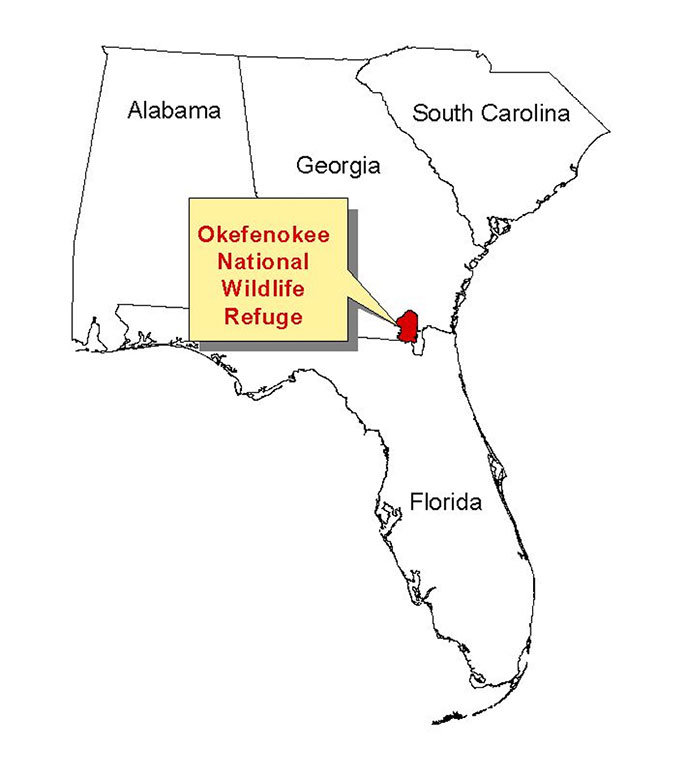
In 1937, the U.S. government purchased the land. Then-president Franklin Roosevelt designated the area a National Wildlife Refuge. There would be no more logging, no more attempts to drain the swamp. Today, the refuge spreads over 164,565 hectares (635 square miles) of land in southeastern Georgia. That’s more than twice the land area of New York City.
Still, the Okefenokee is not completely safe. Activities outside the refuge can harm the protected area.
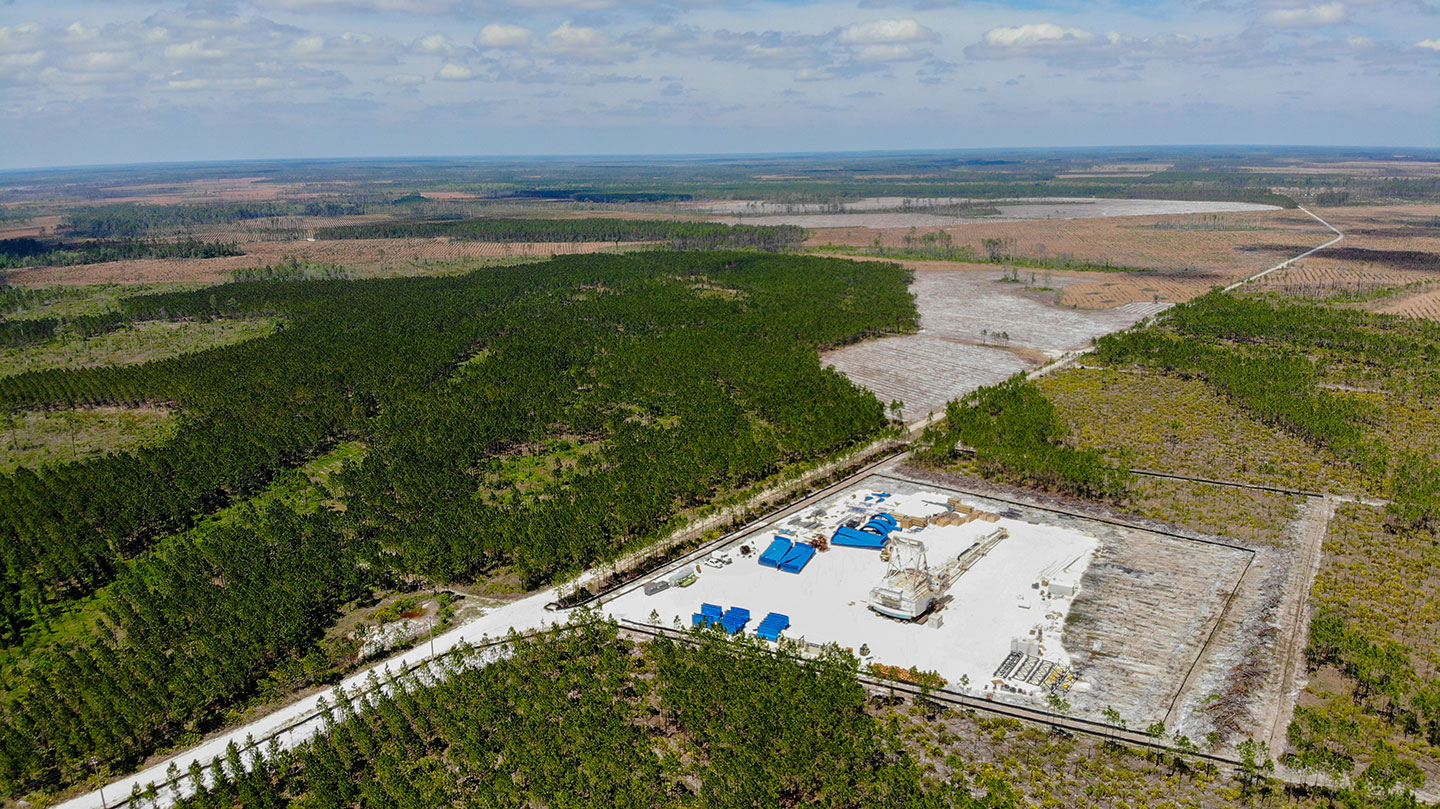
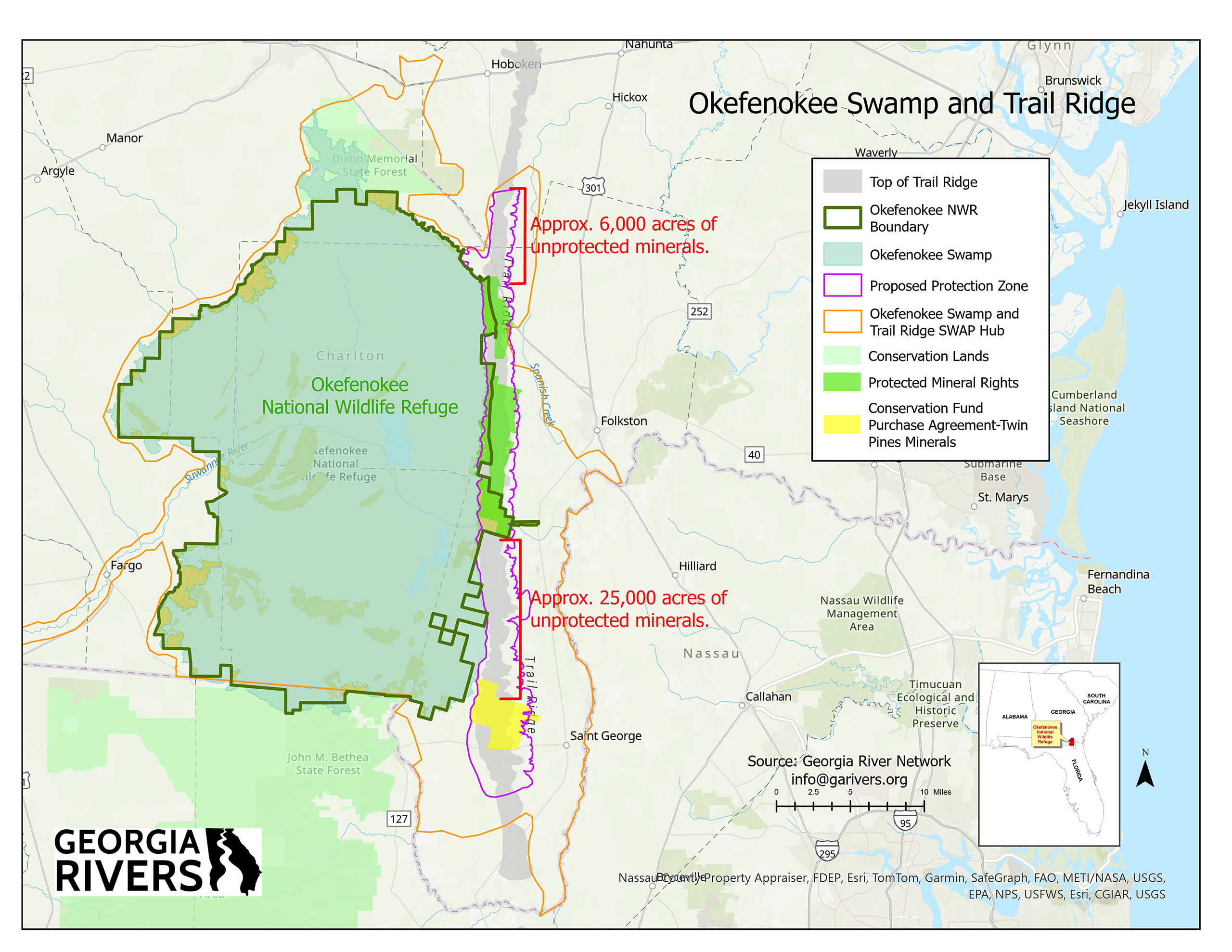
For instance, in 2019, a mining company announced plans to dig a titanium mine on a huge sand dune that borders the swamp. Called Trail Ridge, the dune is left over from when the ocean retreated thousands of years ago. It acts as a natural dam that keeps water inside the Okefenokee’s shallow basin.
There are other titanium mines on Trail Ridge. But this one would be very close to the swamp. Scientists worried the mine could pull groundwater out of the swamp, explains Ashby Worley. She works at the Nature Conservancy in Brunswick, Ga. There, she specializes in coastal climate adaptation. Water is key to swamp ecosystems, she notes. It also helps moderate fires.
And losing water won’t just affect a swamp itself. Dropping water levels could expose some of its peat, Aicher explains. Exposed to air, peat starts to break down. Suddenly, all its stored carbon would get released into the air.
Or as Rena Peck puts it: “That carbon sink would become a carbon bomb.” An ecologist, Peck is executive director of Georgia Rivers. This organization works to protect these waters.
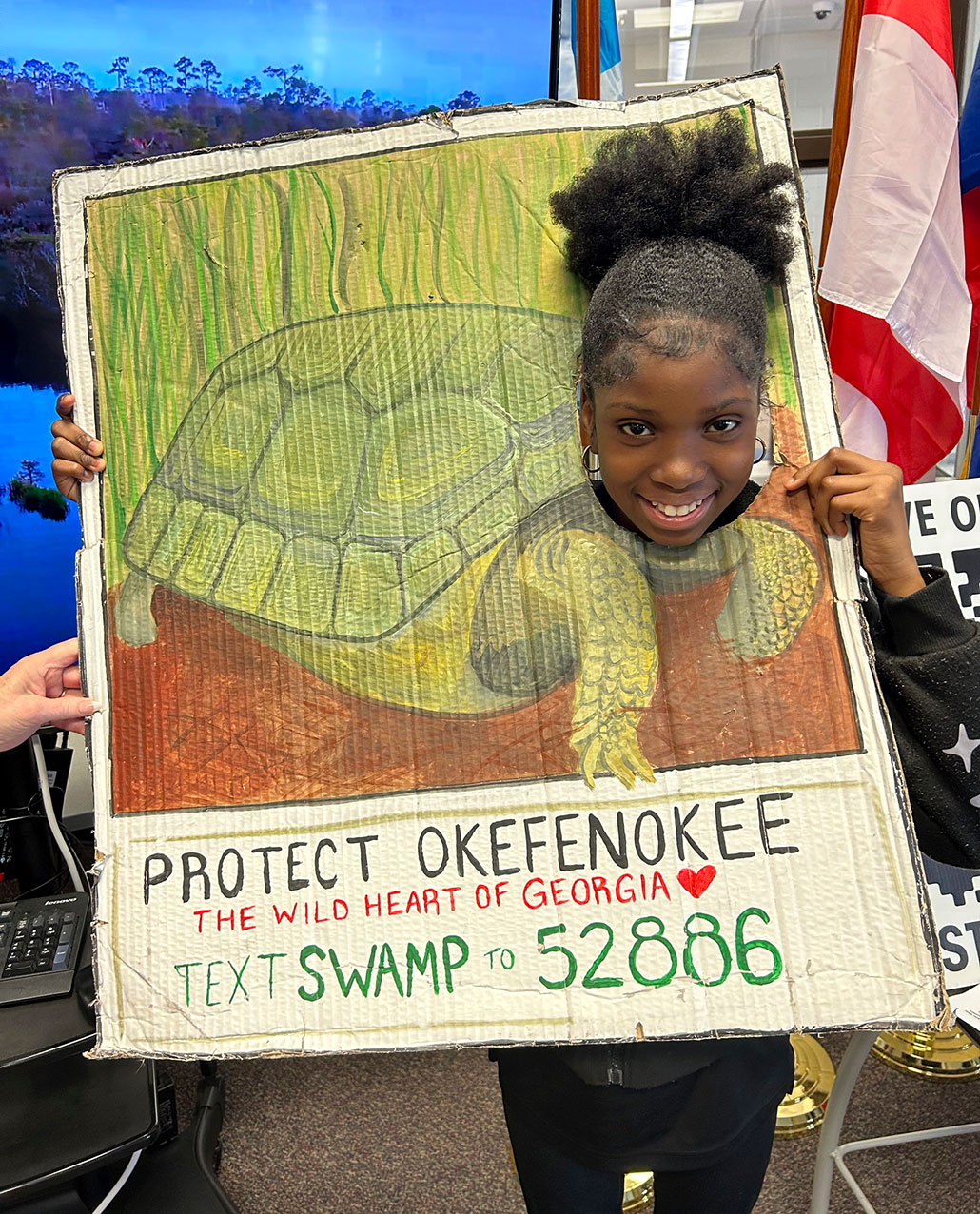
Peat has been building up in the Okefenokee for thousands of years, Peck explains. “It’s up to 15 feet [4.6 meters] deep at its deepest point. It takes 50 years to build just one inch [2.5 centimeters] of it. So just think, if it was wiped away, how long it would take to get back.” If you do the math, that’s 9,000 years. So if mining came too close to the swamp, some 9,000 years of carbon-storing peat could be destroyed in just a few years.
Fortunately, the Okefenokee was saved again. A group called the Conservation Fund stepped in. It bought the land on Trail Ridge to keep it from being mined. But the threat is not totally gone. Some areas of Trail Ridge are still vulnerable. Conservation groups are keeping an eye on these, says Worley. “We’re trying to figure out what our next step is on how to protect the rest of Trail Ridge.”
In January 2025, after getting input from the public, government officials, tribal leaders and environmental groups, the U.S. Fish and Wildlife Service expanded the protected area; it added 22,000 acres to the refuge.
Jon Ossoff is a Georgia senator. He has worked to further expand the protected area to give more buffer to Trail Ridge. Last May, he also got the U.S. government to promise it would never sell the Okefenokee.
Poison in the water
Mining poses the most urgent threat to the swamp, but it’s not the only one. The swamp’s gators hold secrets about another.
The American alligator is probably the swamp’s most famous resident. Around 15,000 call the Okefenokee home.
Kristen Zemaitis is an ecologist and reptile expert. She studied the swamp’s gators when she was at the University of Georgia’s School of Ecology in Athens. (Zemaitis now works with the Caretta Research Project, an organization that studies and protects sea turtles.)
For her research, Zemaitis analyzed blood from more than 100 alligators. She was looking for mercury. This metal is toxic to nerve tissue. Mercury poisoning can cause muscle weakness and difficulty walking and moving. In people, it can lead to trouble seeing, hearing or speaking.
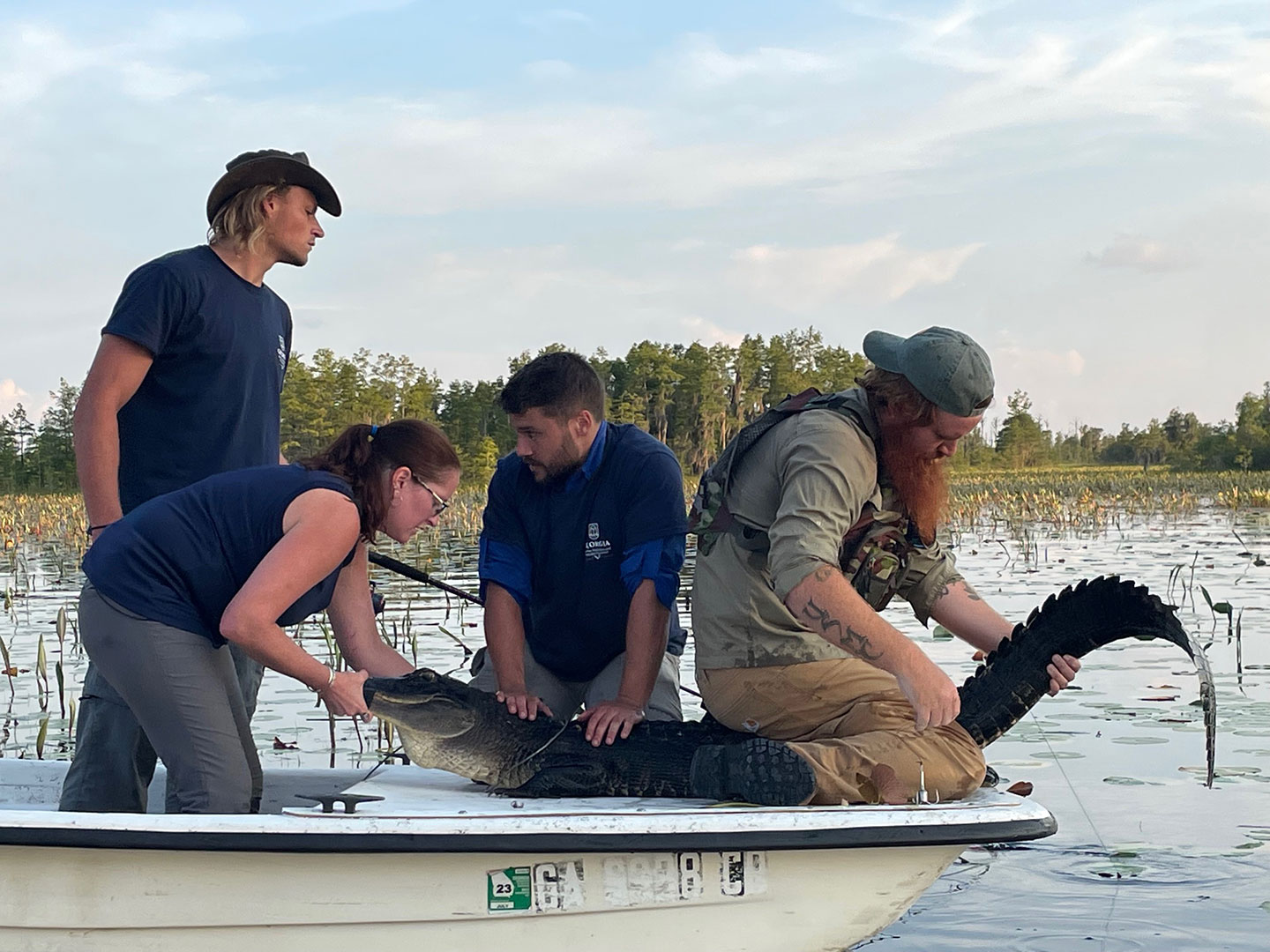
Other researchers had found high mercury levels in small animals in the swamp. But no one had looked for mercury in alligators.
What Zemaitis and her team found disturbed them. Okefenokee alligators had mercury levels eight times as high as alligators at other sites. The scientists shared their findings in the June 2025 Environmental Toxicology and Chemistry. Adult gators top the swamp’s food web. High mercury levels in alligators show that the poison can accumulate as these animals eat mercury-tainted prey.
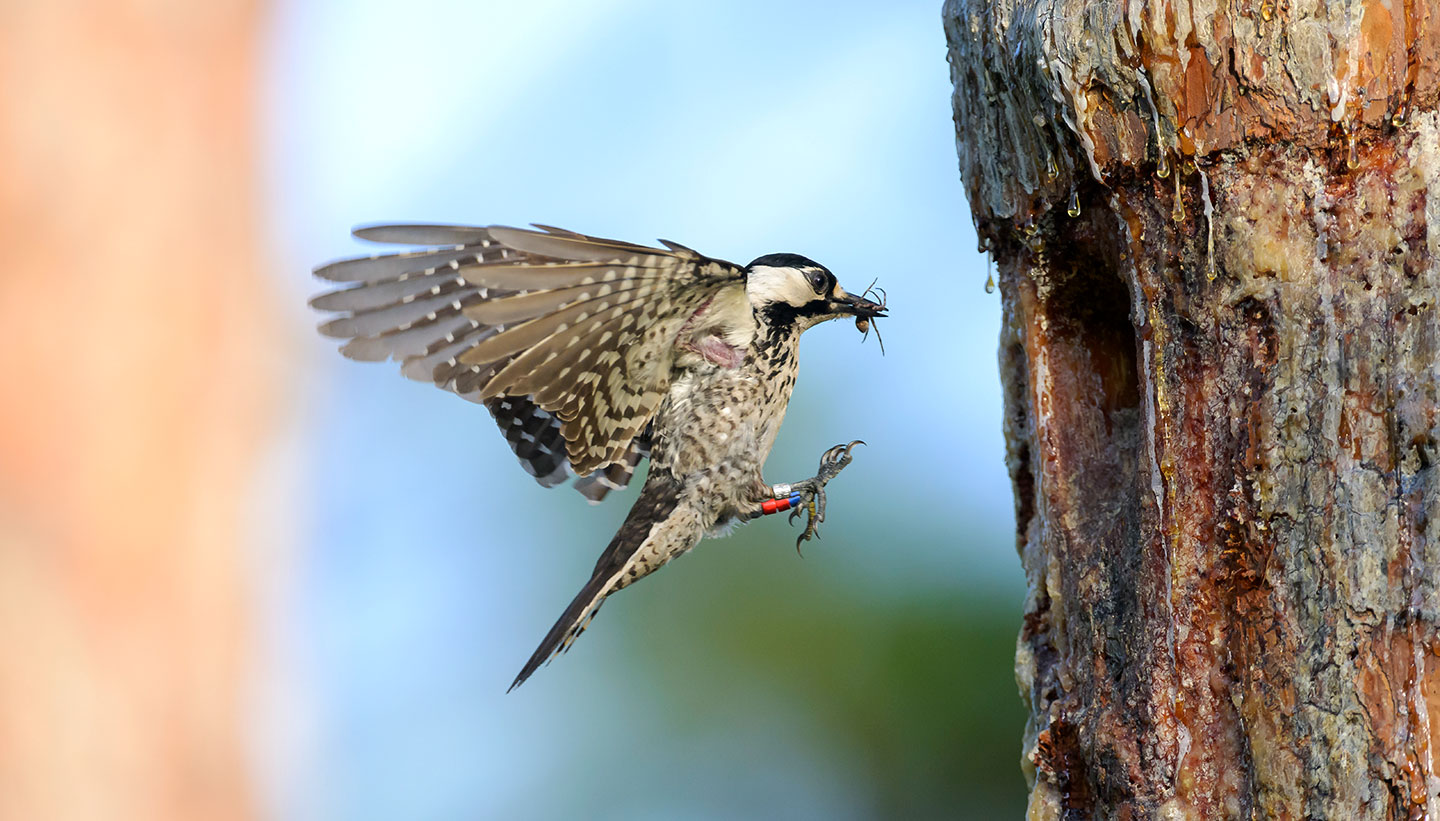
“The biggest question now is what else is being affected,” says Zemaitis. Other swamp dwellers are likely at risk, too. And mercury’s effects could reach well beyond the swamp. Many migratory birds winter in the Okefenokee. Birds are very sensitive to mercury poisoning, Zemaitis says. They could die or spread the poison to other ecosystems when they leave in the spring. Mercury could even endanger people who fish or hunt in the area.
Friends in other places
The Okefenokee is precious not only to the United States. It’s recognized as a Wetland of International Importance. This designation comes from the Ramsar Convention, an international agreement to conserve wetlands around the globe.
The Okefenokee may get even more protection and recognition. Based on its biodiversity and peatlands, it’s been nominated to become a World Heritage Site. These special sites are protected so future generations can enjoy them. The Great Barrier Reef, Galapagos Islands and Grand Canyon are among other natural World Heritage Sites.
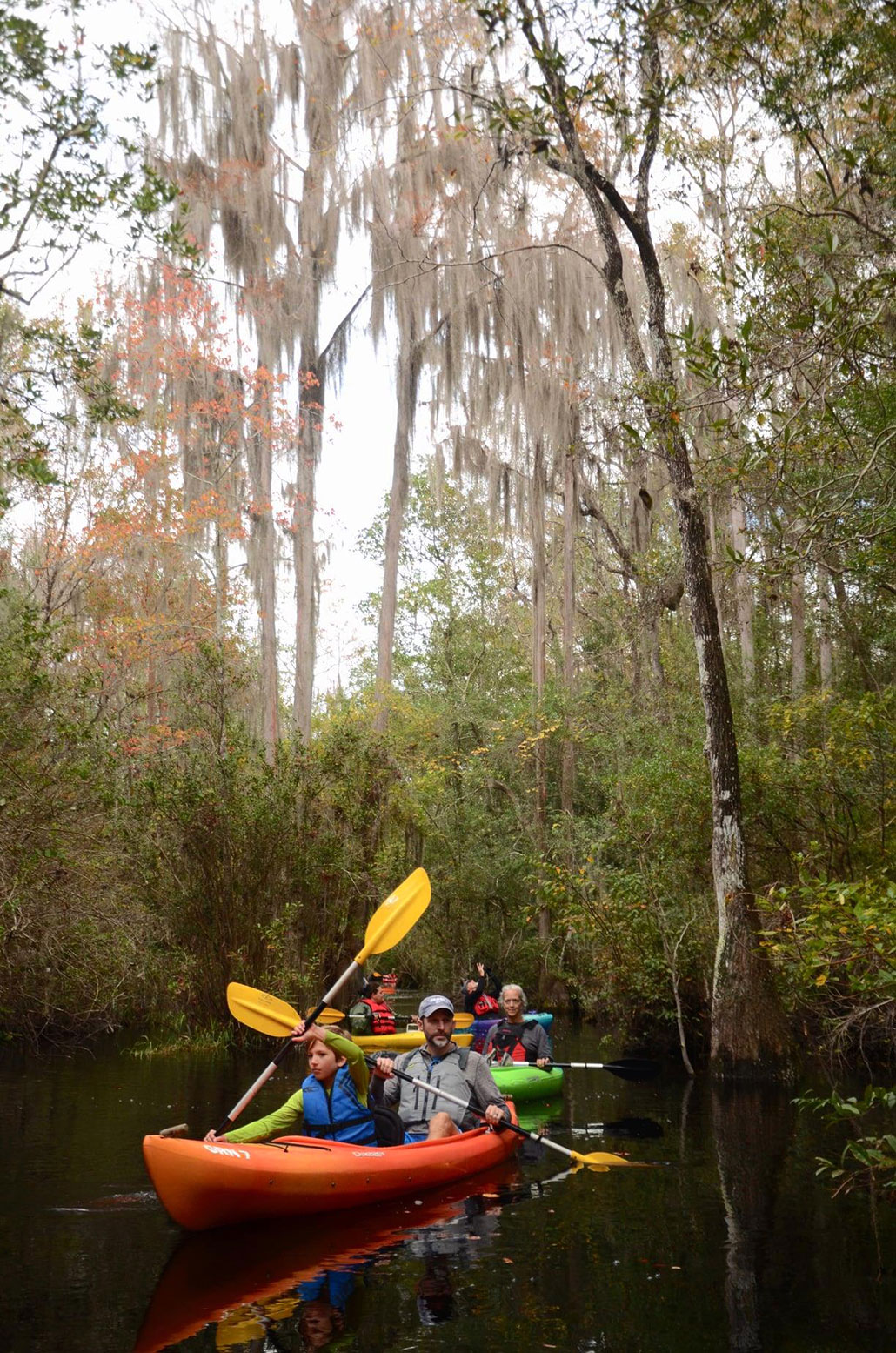
These designations could help people who live near the swamp, too. Kim Bednarek is executive director of Okefenokee Swamp Park. Her organization manages tourism there. Being a World Heritage Site will bring more visitors, Bednarek says. Tourism can boost the income of nearby communities. And, she notes, those towns are some of the poorest in Georgia.
As a World Heritage Site and wildlife refuge, the Okefenokee will be protected to ensure that tourism doesn’t harm the swamp, which could be good for the ecosystem and its human neighbors.
Visiting the Okefenokee is kind of like going back in time. A 190-kilometer (118-mile) “canoe trail” winds through its waters. If you paddle this trail, you might feel a bit of what Native Americans felt, says Peck. “You’re doing what people have done for thousands of years.”
Just being in the Okefenokee, Peck says, is a like a memory of primeval existence. “It’s very mysterious,” she says. “All of a sudden you hear sandhill cranes. They sound like the pterodactyls from Jurassic Park. You see an alligator pop up. You hear the birds and the bugs and the bubbling up of the gases trapped under the peat. You hear the wind through the marsh reeds. It’s exhilarating.”
Scientists still have much to learn about this amazing swamp and its value to our planet. The Okefenokee hasn’t yet revealed all its secrets.