All Stories
- Environment
This ‘living’ concrete slurps up a greenhouse gas
Microbes help harden a mix of sand and gelatin into a living concrete that could interact with people and the environment in great new ways.
- Chemistry
Let’s learn about forensic science
Crime scene investigators analyze evidence with science, to connect criminals to crimes. And it’s often slower and different from what you see on TV.
- Humans
Brainwaves of people with coarse, curly hair are now less hard to read
Electrodes weren’t designed for people with coarse, curly hair. A redesign was needed, scientists say.
- Earth
Scientists Say: Jurassic
During this time from about 200 million to 145 million years ago, dinosaurs reigned and many animals evolved, including birds and some early mammals.
- Health & Medicine
First drug is found to block the new coronavirus
A series of new trials show that the antiviral drug remdesivir offers promise in speeding the recovery of patients with COVID-19.
- Physics
Explainer: Rainbows, fogbows and their eerie cousins
Light shining through a water droplet can make more than just a rainbow. A range of other colorful arcs also can develop.
- Chemistry
Rock Candy Science 2: No such thing as too much sugar
Making rock candy at home takes a lot more sugar than you might think. Why? This experiment will show you why.
- Animals
How to find the next pandemic virus before it finds us
Wild animals carry viruses that can sicken people. Monitoring those viral hosts that pose the greatest risk might help prevent a new pandemic.
- Climate
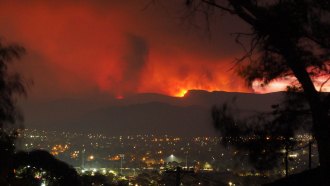
Climate change drove Australian wildfires to extremes
Australia’s devastating 2019–2020 wildfires were at least 30 percent more likely because of human-caused climate change.
- Microbes
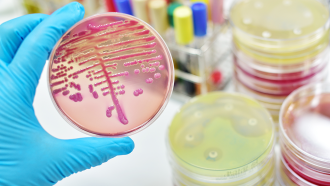
Let’s learn about microbial communities
Communities of bacteria and other single-celled critters are all around us, on us — even inside us.
- Animals
Lots of frogs and salamanders have a secret glow
A widespread ability to glow in brilliant colors could make amphibians easier to track down in the wild.
- Climate
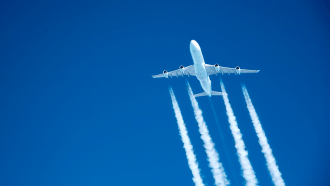
How to curb the climate heating by contrails
Contrails are narrow clouds left behind in the sky by jets. They add to climate change. But a new study suggests a way to curb their contribution.